Why More Buyers Are Choosing Modular Homes in Lafayette, IN
For many buyers, the goal isn’t just finding a house. It’s finding a path to homeownership that feels realistic. They want something that fits the budget, offers room to make meaningful choices, and doesn’t drag into a long, unpredictable process.
That’s part of what’s driving more interest in modular homes in Lafayette, IN. At Next Modular, we work with buyers who want a simpler way to move forward without giving up quality, comfort, or long-term value.
- Ivy Ranch Modular Home
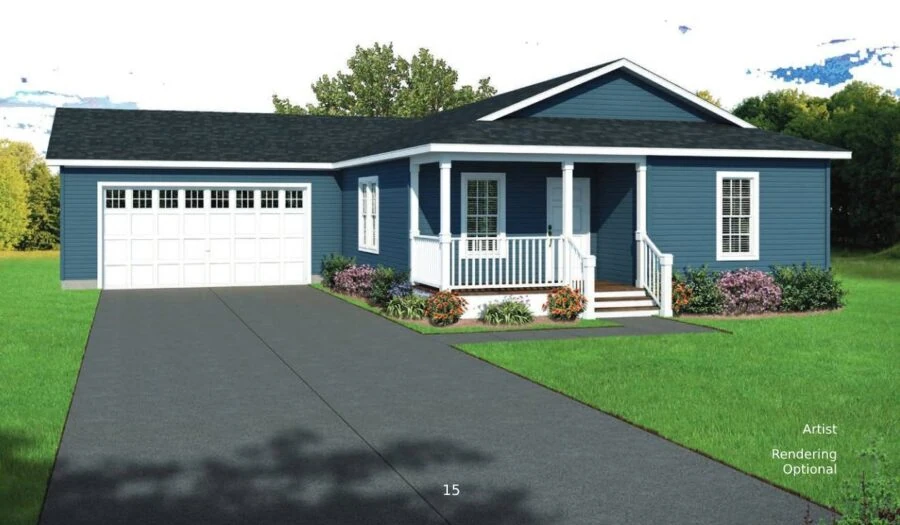 Est. Delivery Dec 25, 2026 **for standard home plans ordered today
 1,387 SF3 Beds2 BathsView Details
 - Lilac Ranch Modular Home
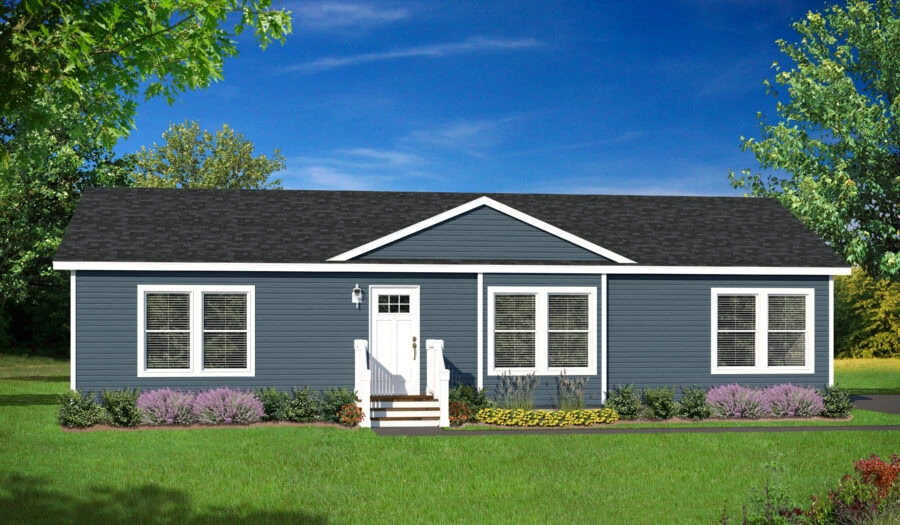 Est. Delivery Dec 25, 2026 **for standard home plans ordered today1,387 SF3 Beds2 BathsView Details
 - Iris Ranch Modular Home
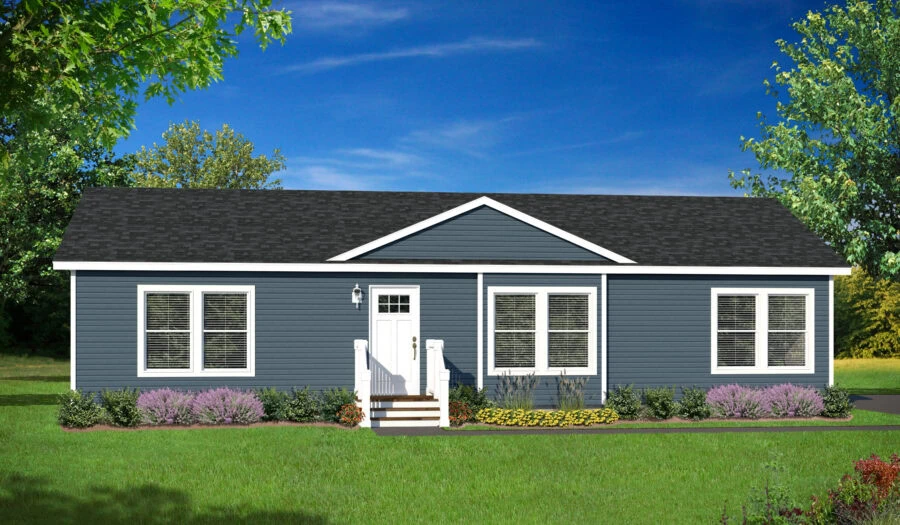 Est. Delivery Dec 25, 2026 **for standard home plans ordered today1,493 SF3 Beds2 BathsView Details
 - Wildflower Ranch Modular HomeEst. Delivery Dec 25, 2026 **for standard home plans ordered today1,493 SF3 Beds2 BathsView Details
- Cherry Blossom Ranch Modular Home
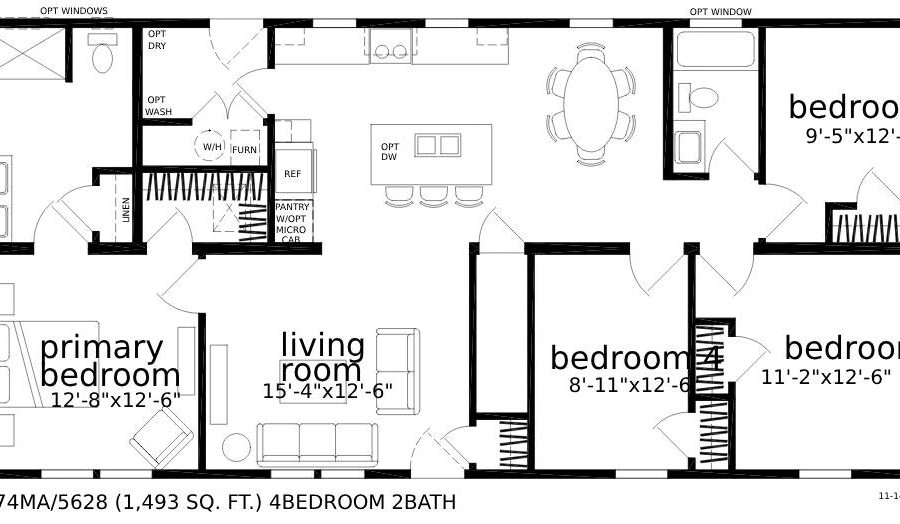 Est. Delivery Dec 25, 2026 **for standard home plans ordered today1,493 SF4 Beds2 BathsView Details
 - Tulip Ranch Modular HomeEst. Delivery Dec 25, 2026 **for standard home plans ordered today1,493 SF3 Beds2 BathsView Details

Why Lafayette buyers are taking a closer look at modular homes
More buyers are looking at modular homes for a practical reason: they want a well-finished home without taking on the long timeline, added stress, and rising costs that often come with a traditional site-built project.
Affordability matters, but so does long-term value
Price matters, but most buyers aren’t just looking for the lowest number. They want a home that makes financial sense and still feels worth investing in for the long run.
Next Modular helps buyers move forward with a more cost-conscious approach without losing sight of quality, comfort, and everyday function. Many projects come in below the cost of a similar site-built home, which can make a real difference for first-time buyers, growing families, and anyone trying to make a careful financial decision.
Just as important, a lower price point doesn’t have to mean settling for something that feels temporary. Buyers still want durability, comfort, and a home that works for real life.
Faster timelines make planning easier
Timing matters almost as much as cost. A long project can affect leases, work schedules, financing, and school plans, so buyers want a timeline they can actually plan around.
Because much of the work is done indoors before the home reaches the property, there’s usually less exposure to weather-related delays. That helps keep the process moving in a more predictable way. For many Turn-Key projects, we can move buyers from setting to move-in in about 90 days, depending on site conditions and overall scope.
That shorter timeline gives buyers a clearer sense of what to expect and reduces the uncertainty that can make a major project feel harder than it needs to be.
Buyers want customization without starting from scratch
A lot of buyers like the idea of a custom home, but don’t want to start with a blank page and hundreds of decisions. That’s where a manufactured home makes sense. Buyers can begin with a floor plan that already works and shape it around their needs.
That can include changes such as:
- Opening up the main living area
- Choosing cabinets, countertops, and flooring
- Adjusting bathroom features
- Adding a porch, garage, or exterior upgrades
Because features and upgrades are priced individually, buyers can decide where to spend more and where to keep things simple. The result still feels personal, but the process is easier to manage.
Quality, comfort, and efficiency matter
For many buyers, the question isn’t just how the home will look. It’s how it will hold up, how it will feel through the seasons, and whether it will perform like a permanent house should.
Our homes are built around modern expectations for comfort and day-to-day performance. That includes:
- Dual-pane windows
- Solid insulation levels
- Durable siding
- Modern electrical systems
- Fire-resistant materials
Buyers can also add options such as upgraded insulation, smart thermostats, and higher-efficiency HVAC systems. For Indiana households, that matters — a home that stays comfortable year-round and puts less strain on monthly utility costs is easier to live with over time.
What buyers should know before starting a project
Interest is one thing. Moving forward with a project is another.
Once buyers get past the early appeal of cost, timing, and flexibility, the questions become more practical. What do we handle? What still falls on the buyer? And what does the full budget really need to cover?
Home-Only and Turn-Key are built for different needs
One of the biggest differences with Next Modular is that buyers don’t have to approach the process the same way. Some already have contractors lined up, know how they want to handle site work, or simply prefer to manage more of the project themselves. For them, Home-Only can make sense.
Others want one point of contact from start to finish. That’s where Turn-Key comes in. Depending on the project and location, our team can coordinate:
- Permits
- Surveyors
- Subcontractors
- Foundation work
- Utility hookups
- Grading
- Final inspections
Neither option is better across the board. It comes down to how much support a buyer wants, how involved they want to be, and what makes sense for the project.
Why the feasibility study matters
A lot of shoppers focus on the base price, but the full budget reaches further than that. Foundation type, utility connections, site prep, grading, permits, garages, porches, and finish upgrades all shape the final number.
That’s where the feasibility study comes in. Before a project moves ahead, we review the lot, zoning, site conditions, permitting requirements, budget fit, and early pricing for major site-work items. Buyers get a clearer picture of what the project is likely to require before they get too far into the process.
Early visibility helps limit surprises later and makes it easier to judge whether a property and budget are truly a good fit.
Financing, foundations, and long-term value
Many buyers spend most of their time comparing layouts, finishes, and base pricing. Those details matter, but they’re only part of the decision. Financing, foundation type, and long-term value carry just as much weight.
In many cases, manufactured homes are treated more like site-built properties for mortgage financing and insurance, which can make a real difference for buyers who want a permanent home with more familiar options. Foundation choices matter too, since a crawl space or basement may affect cost, timing, and long-term value.
We also help connect buyers with lenders who understand factory-built projects and how these jobs are financed. That guidance takes some of the guesswork out of the early stages.
Frequently asked questions:
1) Are modular homes a good fit for buyers in Lafayette, Indiana?
They’re a strong option for buyers who want a permanent home, a shorter timeline, room to personalize the layout, and a more manageable path from planning through move-in.
2) How are modular homes different from mobile homes?
Modular homes are built to state and local codes, while mobile homes follow HUD standards. That affects financing, foundation options, insurance treatment, and often long-term resale expectations.
3) Do I need land before starting the process?
Not always, but having a lot or a property in mind makes the early planning process much easier. It also gives our team more to review during the feasibility study.
4) What is the difference between Home-Only and Turn-Key service?
Home-Only covers delivery and setup of the home, while Turn-Key includes broader project coordination. The better fit depends on how much of the site work and planning you want to manage.
5) How long does it take to move into my home?
Timing varies by site conditions, permits, financing, and project scope, but many Turn-Key projects move from setting to move-in in about 90 days once the home is set.
6) Can I customize the floor plan and finishes?
Yes. Buyers can often make meaningful changes to the floor plan, interior finishes, and selected exterior features, which makes it easier to balance personal preferences with the overall budget.
7) What does the feasibility study look at?
It reviews the lot, zoning, permitting requirements, site conditions, budget fit, and early pricing for major site-work items so buyers understand the project before moving ahead.
8) What costs are not included in a base home price?
That depends on the project, but site prep, foundation work, utility connections, and some upgrades are often outside the base price. Garages and porches may also be separate.
9) Do modular homes qualify for traditional mortgage financing?
In many cases, yes. They are generally financed more like site-built houses than other factory-built housing types, which gives buyers access to more familiar mortgage options.
10) Can you also handle garages, porches, utilities, and other site work?
Yes. Buyers who choose Turn-Key service can have our team coordinate garages, porches, utilities, and other site work as part of the broader project plan.
Conclusion
For many homebuyers around Lafayette, the goal is straightforward: they want a home that feels permanent, fits their budget, and comes with a process they can realistically manage.
At Next Modular, we offer more than one way to get there. Some buyers want to stay hands-on, while others prefer full project coordination from permits through final inspections. If you’re planning a new project in the Lafayette area, contact us at (574) 334-9590 to talk through your lot, budget, and next steps.