Mobile Home for Sale in Lafayette IN: What to Look for Before You Buy
The right factory-built home should fit more than your budget. It should also fit your land, financing, timeline, and long-term plans.
For buyers comparing mobile homes for sale in Lafayette, IN, that means looking beyond listing photos and asking better questions early. Next Modular gives buyers a more practical way to do this, with customizable homes, flexible service options, and support that extends from early planning through completion.
- Danbury Ranch Modular Home
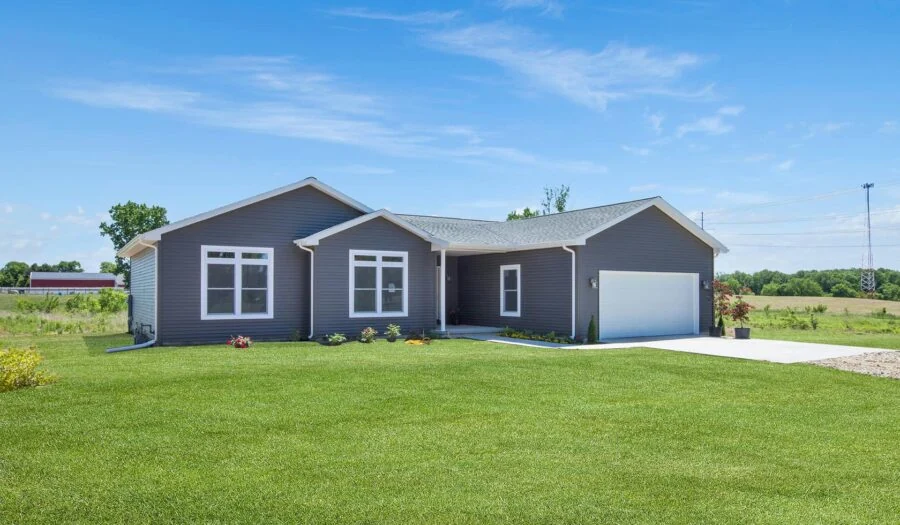 Est. Delivery Nov 23, 2026 **for standard home plans ordered today
 1,652 SF3 Beds3 BathsView Details
 - Brentwood II Ranch Modular Home
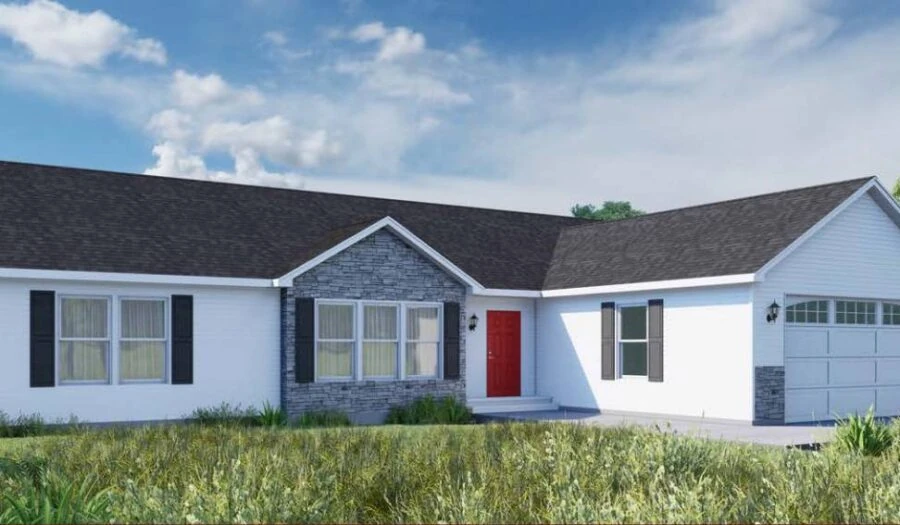 Est. Delivery Nov 23, 2026 **for standard home plans ordered today1,736 SF3 Beds2 BathsView Details
 - Barton Forest Ranch Modular Home
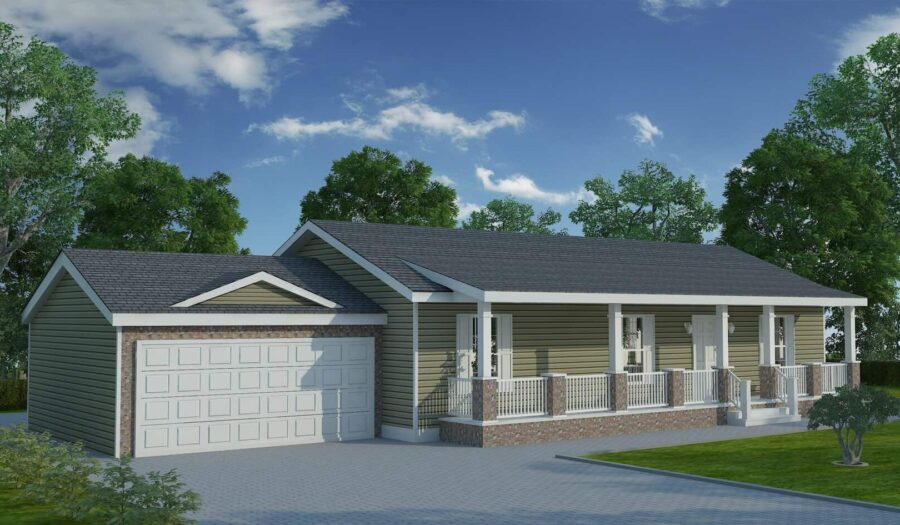 Est. Delivery Oct 29, 2026 **for standard home plans ordered today1,280 SF3 Beds2 BathsView Details
 - Anderson II Ranch Modular Home
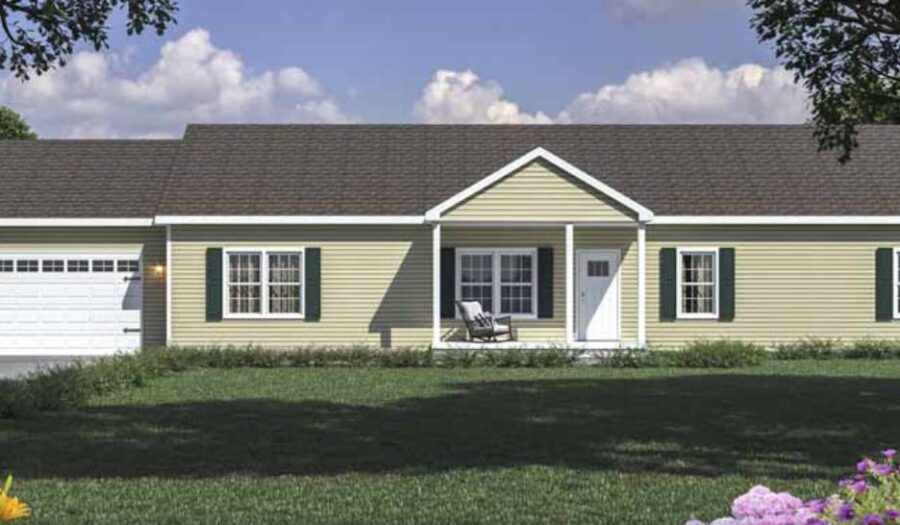 Est. Delivery Nov 23, 2026 **for standard home plans ordered today1,792 SF4 Beds2 BathsView Details
 - Amarillo Ranch Modular Home
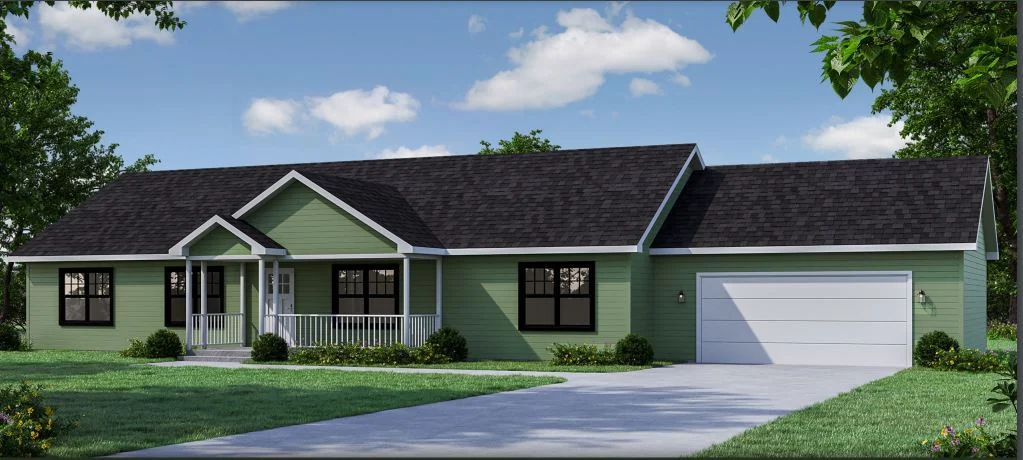 Est. Delivery Nov 23, 2026 **for standard home plans ordered today1,860 SF3 Beds2 BathsView Details
 - Cedar Forest Ranch Modular Home
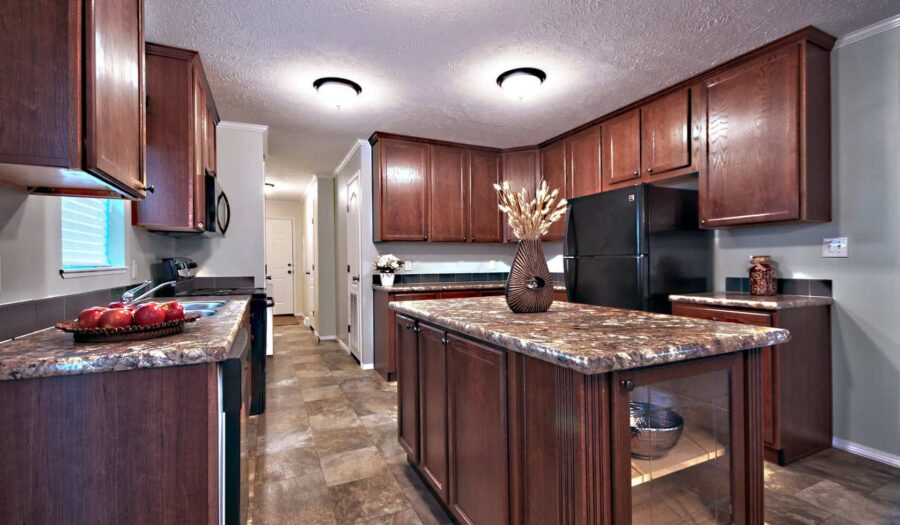 Est. Delivery Oct 29, 2026 **for standard home plans ordered today1,493 SF3 Beds2 BathsView Details

Start by defining the kind of home you’re actually shopping for
Before you compare layouts, finishes, or pricing, make sure you’re looking at the right type of home. People often use “mobile home” as a broad label, but there’s an important difference between manufactured and modular homes, and that difference can affect financing, insurance, foundation options, and long-term value.
Our HUD-code homes are built on a permanent steel chassis and may qualify for different financing options depending on how they’re installed. Modular homes, on the other hand, are built to the same state and local codes as site-built houses, do not use a chassis, and are typically treated more like traditional homes by lenders and insurers.
Neither option is automatically better. The right fit depends on what matters most to you. Manufactured homes may appeal more to buyers focused on keeping upfront costs lower, while modular homes may make more sense for buyers who want traditional mortgage treatment, basement options, and stronger resale potential over time.
Compare the full project cost, not just the home price
The base price is usually the first number buyers focus on, and it can also be the most misleading. A lower starting figure may look appealing until the rest of the project costs come into view.
With Next Modular, that distinction matters. Home-Only pricing covers the home built to standard specifications, while major site-related work falls outside that number. Turn-Key service includes much more, but the final cost still depends on the property, the scope of work, and local conditions.
To get a more accurate picture, look beyond the home itself and account for costs such as:
- Delivery and setup
- Foundation work
- Site prep and grading
- Utility connections
- Septic or sewer work
- Permits and inspections
- Porches, garages, decks, or driveways
- Upgrades beyond the standard package
Photos can make comparisons harder, too. Gallery images often include upgraded finishes or site-installed features that are not part of the base package. Stone countertops, premium flooring, metal roofing, custom showers, and added exterior elements can all push the total higher.
The best way to compare your options is to ask what’s included as standard, what counts as an upgrade, what’s completed at the factory, and what still has to be finished on-site.
Understand the process before the home is ordered
A project doesn’t move forward just because you like the plan and the pricing looks close. Before anything is ordered, the lot, local requirements, site access, utilities, and overall scope all need to line up. Buyers can run into problems when site work is treated like a small detail instead of a major part of the project.
Next Modular addresses that upfront through a feasibility study. Rather than waiting until late in the process, Next Modular reviews key parts of the job early, including:
- Zoning requirements
- Permitting needs
- Site conditions and accessibility
- Overall project scope
- Budget alignment
- Early pricing for major work, like foundation and mechanical systems
That gives buyers a clearer picture of what the project will actually require before they commit.
Timing matters too. Factory construction can move faster than traditional building, but it still takes planning. The home has to be permitted, financed, scheduled, built, delivered, set, and finished. If the lot is not ready or financing takes longer than expected, the timeline shifts with it.
Choose between home-only and turn-key service
This is one of the most important decisions in the process. With Home-Only service, Next Modular delivers and sets the home while you manage the remaining work through your own contractors.
With Turn-Key service, Next Modular coordinates the larger project, including permits, subcontractors, foundation work, utility hookups, and final inspections. Some buyers want that added oversight, while others would rather handle the project themselves. The better fit depends on your time, experience, and how involved you want to be from start to finish.
Think beyond move-in day
Price and layout are only part of the decision. It’s also worth thinking about what ownership may look like after move-in, including utility costs, maintenance, insurance, and long-term value.
Next Modular’s homes are built for everyday efficiency and durability, with features such as modern electrical systems, fire-resistant materials, dual-pane windows, and solid insulation packages. Third-party factory inspections also add another layer of quality control during construction.
Home type and installation can matter over time as well. Modular homes are often treated more like site-built houses, while HUD-code homes may depend more on factors like foundation setup and land ownership.
Frequently asked questions:
1) What’s the difference between a manufactured home and a modular home?
Manufactured homes are built to HUD standards, while modular homes follow state and local building codes. That difference can affect financing, foundation options, insurance treatment, and long-term resale.
2) What costs are usually not included in the base home price?
The base price often leaves out site prep, foundation work, utility hookups, permits, septic or sewer work, delivery-related costs, and upgrades or features that go beyond the standard package.
3) Can I put this type of home on land I already own?
In many cases, yes, but the property still has to support the project. Zoning, utility access, site conditions, delivery access, and foundation planning all need to be reviewed first.
4) Do I need a permanent foundation?
That depends on the type of home, the financing, and local requirements. Foundation choice can also affect insurance, long-term value, and how the home is treated by lenders.
5) What is the difference between Home-Only and Turn-Key service?
With Home-Only, Next Modular delivers and sets the home while you manage the remaining work. With Turn-Key, Next Modular coordinates the larger project through completion, including major site and construction steps.
6) What is a feasibility study, and why does it matter?
A feasibility study reviews the property and project before ordering begins. It helps identify zoning issues, permit needs, site constraints, and budget gaps early, before they turn into bigger problems.
7) Can I customize the plan and finishes?
Yes, but the amount of customization depends on the type of home, the manufacturer, and your budget. Layout changes, finish selections, and upgrades can all affect the final price.
8) How long does it usually take to move in?
The timeline depends on permits, financing, factory production, delivery scheduling, site readiness, and finish work after setup. Factory-built homes can move faster, but the project still needs careful coordination.
9) What kind of financing is available?
Financing options depend on the type of home and how it will be installed. Buyers may use construction loans, traditional mortgages, or financing designed for HUD-code homes.
10) How do insurance and resale compare over time?
Insurance and resale can vary based on home type, foundation setup, and land ownership. Modular homes are often treated more like site-built houses, while HUD-code homes depend more on installation details.
Conclusion
The best way to compare factory-built housing is to look beyond the starting price and focus on the details that shape the full project. Once you understand the type of home, the work involved, and the level of support you want, it becomes much easier to choose an option that fits your budget and your long-term plans.
If you’re ready to explore your options in more detail, contact Next Modular at (574) 334-9590 to talk through pricing, project scope, and the next steps for your property.