The Future of Homebuilding: Prefabricated Houses in Naperville, IL
The housing market in Naperville, IL keeps growing, and buyers are seeking faster, more cost-effective ways to build. Factory-built houses offer a practical alternative to traditional site construction, delivering quality, customization, and real savings.
Prefabricated houses are delivered as complete sections built in controlled environments and then assembled on your property. They meet the same local building codes as stick-built homes, qualify for standard financing, and generally cost less than traditional construction methods thanks to factory efficiency and reduced labor expenses.
Next Modular serves the Naperville area with both Home-Only and Turn-Key services. Whether you’re a first-time buyer or downsizing, factory-built housing offers speed and value without sacrificing quality.
- Danbury Ranch Modular Home
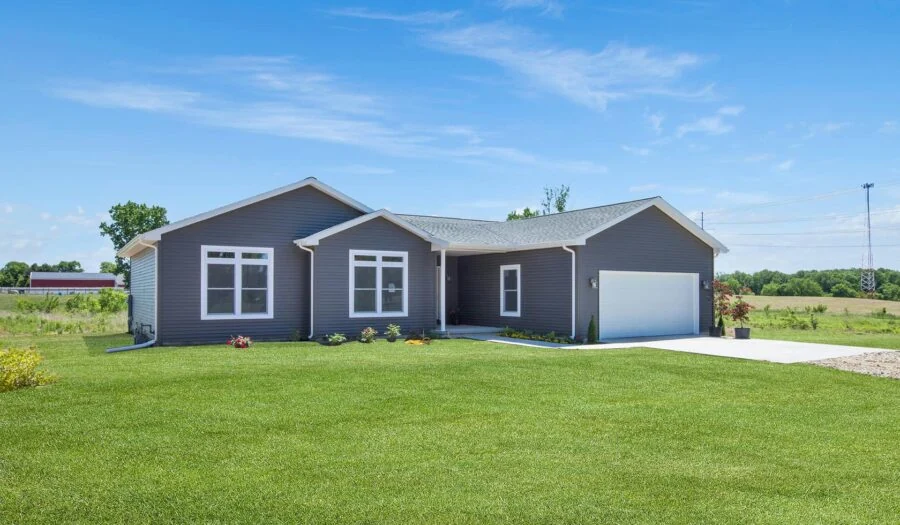 Est. Delivery May 26, 2026 **for standard home plans ordered today
 1,652 SF3 Beds3 BathsView Details
 - Brentwood II Ranch Modular Home
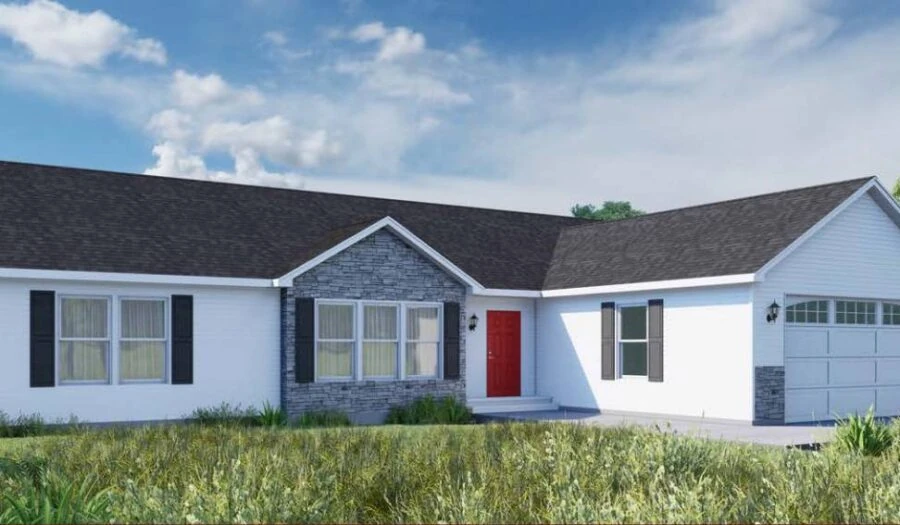 Est. Delivery May 26, 2026 **for standard home plans ordered today1,736 SF3 Beds2 BathsView Details
 - Barton Forest Ranch Modular Home
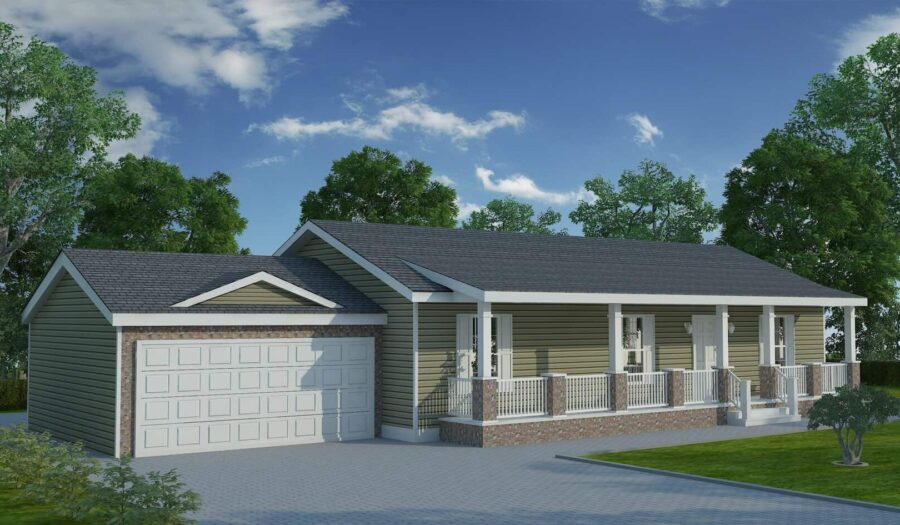 Est. Delivery May 1, 2026 **for standard home plans ordered today1,280 SF3 Beds2 BathsView Details
 - Anderson II Ranch Modular Home
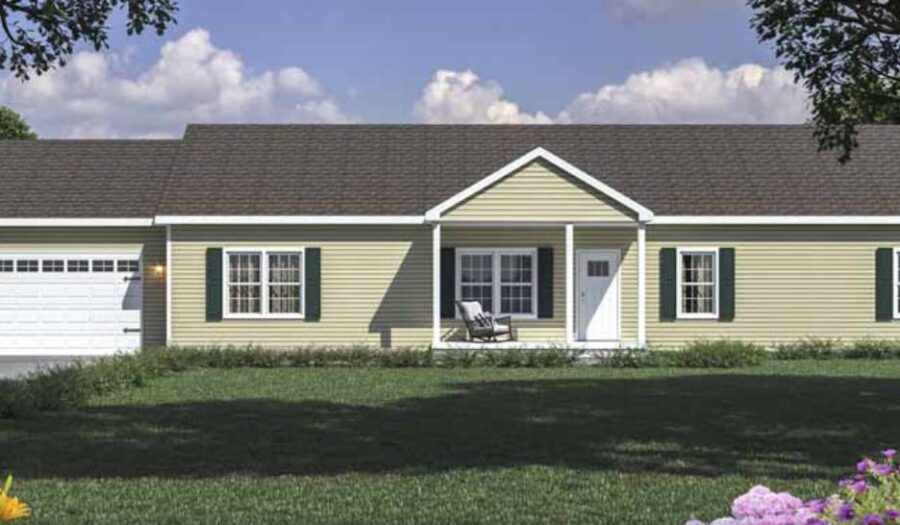 Est. Delivery May 26, 2026 **for standard home plans ordered today1,792 SF4 Beds2 BathsView Details
 - Amarillo Ranch Modular Home
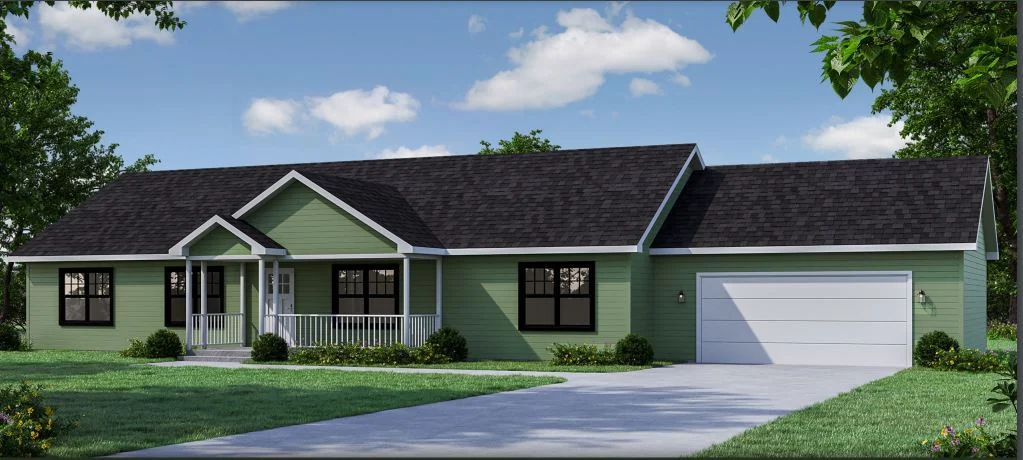 Est. Delivery May 26, 2026 **for standard home plans ordered today1,860 SF3 Beds2 BathsView Details
 - Cedar Forest Ranch Modular Home
 Est. Delivery May 1, 2026 **for standard home plans ordered today1,493 SF3 Beds2 BathsView Details

Understanding prefabricated and modular homes
Factory-built housing has changed significantly over the past few decades. Today, it delivers permanent, high-quality houses that meet or exceed traditional building standards.
What makes a home “prefabricated”?
Prefabricated homes are built indoors in sections at a factory, then transported to your lot for assembly. This controlled environment reduces weather-related delays and allows consistent quality control. Modular construction meets all local building codes and is permanently set on a foundation.
Once delivered, crews assemble the sections on your foundation and complete finish work. The result is a permanent home that meets the same quality standards as any site-built house.
The difference between modular homes and manufactured homes
Modular and manufactured homes are built very differently:
- Modular houses must meet the same state and local building codes as traditional construction. They attach permanently to foundations and appreciate in value like conventional properties.
- Manufactured homes (sometimes called mobile homes) follow HUD federal code rather than local building standards. They’re built on a steel chassis and can be moved.
If you want a permanent property that appreciates normally and qualifies for standard mortgages, modular is the right choice.
Why are prefabricated houses gaining popularity?
Demand for prefabricated houses has grown steadily across Illinois. This method produces less waste because materials are ordered precisely. Weather never stops production, either, so timelines stay predictable.
Energy efficiency comes standard. Sections get sealed tightly during transport, and manufacturers typically use better insulation than required by code. The housing market at large now recognizes these properties as equivalent to those built on-site.
Prefab options available for Naperville neighborhoods
Prefabricated houses come in every style you’d find in traditional neighborhoods. Ranch layouts work well for single-story living, while two-story designs maximize square footage.
Custom home designs are possible when you work with the right manufacturer. Some will assemble from your architect’s plans. Luxury prefab options include high-end finishes and premium materials.
Why Naperville residents choose modular homes
Local homebuyers are increasingly recognizing the practical advantages of factory-built homes. The combination of cost savings, faster timelines, and quality construction makes these houses competitive with traditional methods.
Cost savings compared to traditional construction
Factory-built homes often cost less than traditional site-built houses. Efficiency in material purchasing, streamlined labor, and reduced weather delays help keep costs lower while maintaining quality.
Sections arrive nearly complete, minimizing on-site subcontractor time. Material waste drops dramatically. These efficiencies translate into meaningful savings without compromising design.
Faster move-in timeline
Projects typically reach completion within 90 days after the home is set on your foundation. Factory assembly typically takes between 8 weeks and 3 months. Traditional construction often stretches 6 to 12 months due to weather delays.
Building indoors keeps projects on track while site work happens simultaneously. When sections arrive, crews set them in one day.
Quality and durability standards
Every prefabricated house adheres to the same building codes as stick-built properties. Sections are engineered to be stronger because they need to survive highway transport and crane lifting.
Factory quality control catches issues that might slip through on busy job sites. Inspectors check framing, electrical, plumbing, and finishes at multiple stages. Manufacturers back their work with warranties.
Naperville’s real estate market and prefabricated houses
Local housing demand stays strong, and factory-built properties fit naturally into the market. Appraisers value them using the same methods as site-built homes.
Property values appreciate normally when you maintain your house well. Buyers can’t tell which properties are factory-built just by looking.
Types of prefab homes available
The variety of designs available matches anything you’d find in traditional builds. From classic ranch layouts to contemporary two-stories, factory-built houses deliver the style and functionality you want.
Traditional houses
Ranch-style homes
Single-story layouts appeal to buyers wanting accessibility and simplified living. Everything sits on one level—no stairs to navigate. Ranch designs often cost less per square foot.
Popular floor plans include open-concept great rooms, split-bedroom arrangements, and flexible spaces that can serve as offices or guest rooms.
Two-story homes
Multi-level designs maximize square footage when lot size or budget limits your footprint. Bedrooms typically go upstairs, keeping sleeping areas separate.
Two-story assembly costs less per square foot since you’re building on the same foundation size. Most designs include full bathrooms on both floors.
Cape Cod and custom designs
Cape Cod styles combine traditional charm with practical layouts. The base price includes finished first-floor space, but the second floor arrives as unfinished attic unless specified.
Custom possibilities depend on your chosen manufacturer. Some accept sketches and assemble unique designs, while others modify existing plans by moving walls or changing room sizes.
Luxury prefab home options
High-end finishes and upgrades
Luxury features transform standard houses into premium properties. Choose from solid hardwood cabinetry in cherry or hickory, quartz or granite countertops, and premium flooring. High-efficiency appliances, custom tile showers, and designer fixtures complete the upscale look.
These upgrades get priced individually — you select what matters most.
Architectural features
Exterior details make your house stand out. Dormers add visual interest, while gable accents, varied rooflines, and covered porches boost curb appeal. Stone veneer and metal roofing an even more distinctive appearance.
Premium siding is available in materials such as cedar shakes or engineered wood, in a variety of colors.
Specialty prefab options
Modern designs with clean lines appeal to buyers seeking a contemporary style. Energy-efficient options include enhanced insulation and efficient HVAC systems. Meanwhile, some prefabricated houses offer simpler, budget-friendly options.
Talk with our team about available styles and which manufacturers can deliver specific designs.
Exploring the modular home building process
Understanding how your house goes from concept to completion removes uncertainty. Next Modular offers two service levels, depending on your preferred level of involvement.
Home-Only service vs. Turn-Key construction
Home-Only package details
Home-Only service means we build, deliver, and set your house on your foundation. You handle foundation work, utility connections, site preparation, and finish details.
The package includes the complete property built to standard specifications, plus delivery and setting. Interior finishes are installed, but items on marriage lines get completed during finish work.
Turn-Key service advantages
Turn-Key means Next Modular manages your entire project from permits to final inspection. You get one point of contact instead of coordinating multiple contractors.
This service is available within 70 miles of Goshen and in areas with local project managers, including Naperville.
From design selection to move-in day
Your process begins with selecting a floor plan or designing a custom one. You’ll review options for finishes and upgrades. Once finalized, we order your house and begin permit applications.
Factory assembly currently takes 8 to 3 months, and site work — including clearing, excavation, and utility setup — occurs in tandem. When your property arrives, crews set all sections in one day. Then, you’ll just need to wait for finish work, which takes about 90 days.
Site preparation requirements
Your lot requires a foundation prior to delivery. Options include full basements, crawlspaces, or slab foundations. Basements add living space, but they also cost more.
Utility connections must be ready. If your lot isn’t near municipal sewer, you’ll need a septic system. Turn-Key service includes coordinating all requirements.
Timeline expectations
Current factory lead times run 8 weeks to 3 months. Once set, expect 90 days for finish work on basic projects. Complex designs need longer.
Weather has a smaller impact on timelines compared to traditional methods. Starting design in late winter means delivery during good weather. Your consultant provides realistic timelines.
Costs and financing for prefabricated houses
Transparent pricing separates factory building from traditional work. Understanding what’s included prevents surprises. Financing works identically to site-built properties.
Understanding pricing structure
Home-Only pricing covers your house built to standard specifications. This includes interior finishes like cabinets, flooring, windows, doors, trim, and fixtures, but not foundation, utilities, garages, or optional upgrades.
Turn-Key estimates add foundation work, site preparation, and utility connections. Actual costs depend on your site and soil conditions.
Construction loan options
Conventional construction loans
Traditional lenders offer loans that cover land purchase and building costs. These convert to regular mortgages when work is completed. You’ll need good credit and typically 10 to 20% down.
Next Modular works with several Illinois banks experienced in factory-built financing. Your consultant connects you with appropriate options.
Government-backed loan programs
FHA loans require just a 3.5% down payment. VA loans offer zero down for qualifying veterans. USDA loans provide zero-down options for eligible rural areas. All these programs work for factory-built properties.
Additional cost considerations
Site work varies based on lot conditions. Level lots cost less than sloped sites. Utility extensions add expenses if services aren’t nearby.
Optional upgrades change your bottom line. Stone countertops, premium cabinets, and hardwood floors all add to base prices.
Customization and design options
Factory building offers far more flexibility than many buyers realize. Today’s manufacturers accommodate everything from minor tweaks to complete architectural customization.
Floor plan flexibility
We offer 135+ pre-designed floor plans across different manufacturers, ranging from compact layouts to spacious designs. Most plans allow modifications, such as relocating walls or adjusting closet sizes.
Some manufacturers accept complete architectural designs. Discuss your customization needs early so your consultant can match you with the right manufacturer.
Interior customization options
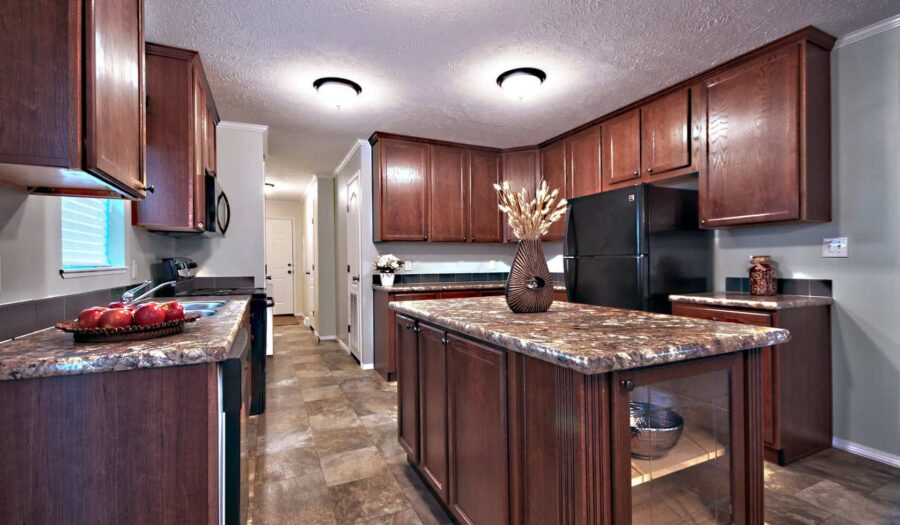
Kitchens and bathrooms can be upgraded with choices like laminate, quartz, or granite countertops. Cabinets range from standard oak to premium cherry or hickory, and flooring options include carpet, vinyl plank, hardwood, or tile.
Paint colors, window styles, and trim selections allow you to personalize every room to your taste.
Exterior design choices
Exterior options let you shape your home’s curb appeal. Siding comes in vinyl, engineered wood, or cedar shakes, while roofing choices include architectural shingles or metal. Architectural details like dormers and gable accents add character.
Porches, decks, and garages extend living space, and stone or brick accents provide added visual interest.
Energy efficiency and smart home features
Upgraded insulation and high-performance windows help lower heating and cooling costs. Properly sized HVAC systems maintain comfort while using less energy.
Smart home technology is integrated during construction, with programmable thermostats, security systems, and automation wired as your home is built.
Why choose Next Modular for your prefabricated house?
Selecting the right builder shapes your entire homebuilding experience. Next Modular delivers expertise across both the factory-built home and all supporting services, making the process straightforward and predictable for homeowners in Naperville and surrounding areas.
Decades of experience
Next Modular brings extensive experience to every project. Our team works with multiple manufacturers to match buyers with the best fit for their home style, budget, and timeline.
As a full-service general contractor, we handle foundation work, site preparation, and utility connections, ensuring every stage of your project is coordinated and completed to professional standards. Our approach minimizes delays, keeps costs transparent, and ensures consistent quality from factory construction to move-in day.
Comprehensive support throughout the process
From the initial consultation to final walkthrough, we provide guidance at every step. Our consultants explain options clearly, answer questions about financing and customization, and help you understand which service — Home-Only or Turn-Key — best suits your needs.
Clear communication, predictable pricing, and a single point of contact reduce stress and give you confidence that your home will be completed on schedule and according to your specifications.
Get started with your project today
Explore your options and take the first step toward your prefabricated house. Contact Next Modular at (574) 334-9590 to discuss your project in detail. You can also visit model properties in Goshen, Nappanee, or Bryan to see the quality of construction firsthand.
Request a quote based on your specific needs, and let our team guide you through every step, from design selection to finished move-in. We serve Naperville with both Home-Only and Turn-Key services, giving you flexibility and support throughout the process.
Frequently asked questions:
1) Can prefabricated homes be built on any lot in Naperville?
Most residential lots work, but check zoning, setbacks, and soil conditions. Next Modular helps assess lot suitability.
2) How long do modular homes last?
They last as long as traditional homes — 50 years or more with proper maintenance. Built to local codes and reinforced for transport, they’re durable.
3) Do modular homes qualify for traditional mortgages?
Yes. Permanently attached modular homes qualify for conventional, FHA, VA, and USDA loans. Next Modular connects buyers with experienced lenders.
4) What’s included in the Home-Only package?
The house is delivered and set on your foundation with standard interior finishes. You handle site prep, foundation work, and utilities.
5) How much can I save with modular construction?
Factory efficiency and shorter timelines reduce costs. Savings vary, but modular homes generally cost less than comparable site-built homes.
6) Can I customize my home?
Yes. Options range from minor changes to fully unique designs. Layouts, room sizes, finishes, and fixtures can be adjusted.
7) What’s the difference between modular and manufactured homes?
Modular homes meet state and local codes, attach permanently to foundations, and appreciate like traditional homes. Manufactured homes follow HUD code.
8) How does Turn-Key service work?
Next Modular handles permits, site prep, foundation, delivery, utilities, and finish work. You approve selections—everything else is managed.
9) Do prefabricated homes appreciate like traditional homes?
Yes. They are appraised using the same standards and typically appreciate at comparable rates when well-maintained.
10) How long does it take to move into a modular home?
Factory assembly takes 8 weeks to 3 months. Once set, finish work typically takes 90 days. Timelines depend on site conditions.
Conclusion
Factory-built homes give Naperville buyers a smarter way to own a home, offering cost savings, faster timelines, and reliable quality.
Next Modular makes it simple with Home-Only or Turn-Key services. Our team guides you from design selection to move-in.
Take the next step: call us at (574) 334-9590 or visit model homes in Goshen, Nappanee, or Bryan.