Mobile Homes for Sale in Naperville, IL: Your Complete Buying Guide
Finding affordable housing in Naperville, IL doesn’t mean sacrificing quality. Mobile homes offer a practical path to homeownership, with lower costs, faster timelines, and modern construction that rivals traditional builds.
If you’re exploring options beyond the competitive real estate market, this guide walks you through everything you need to know. You’ll learn about the various types of homes available, the buying process, financing options, and how Next Modular supports buyers across Illinois and the surrounding Midwest.
- Danbury Ranch Modular Home
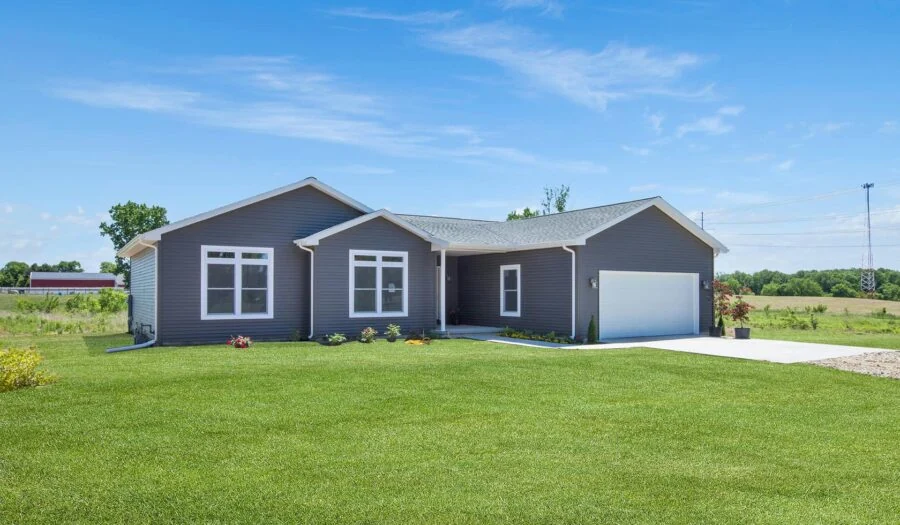 Est. Delivery Jan 1, 2027 **for standard home plans ordered today
 1,652 SF3 Beds3 BathsView Details
 - Brentwood II Ranch Modular Home
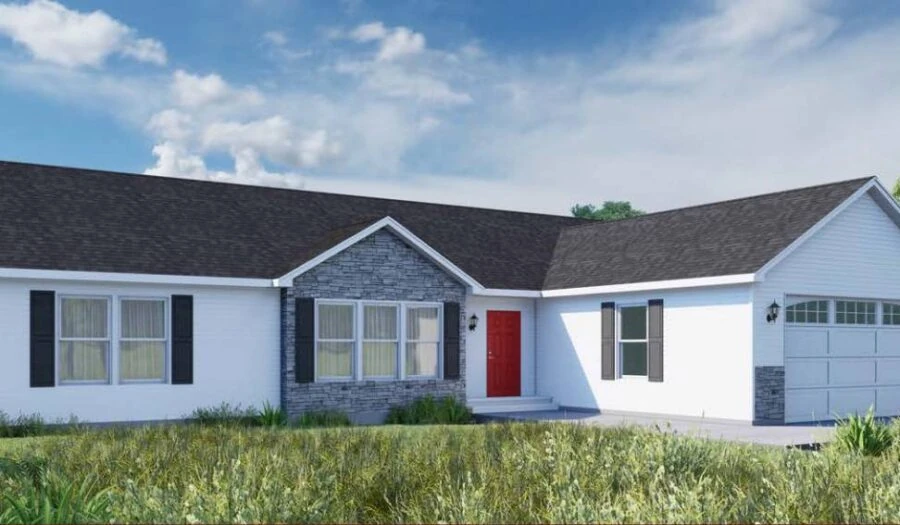 Est. Delivery Jan 1, 2027 **for standard home plans ordered today1,736 SF3 Beds2 BathsView Details
 - Barton Forest Ranch Modular Home
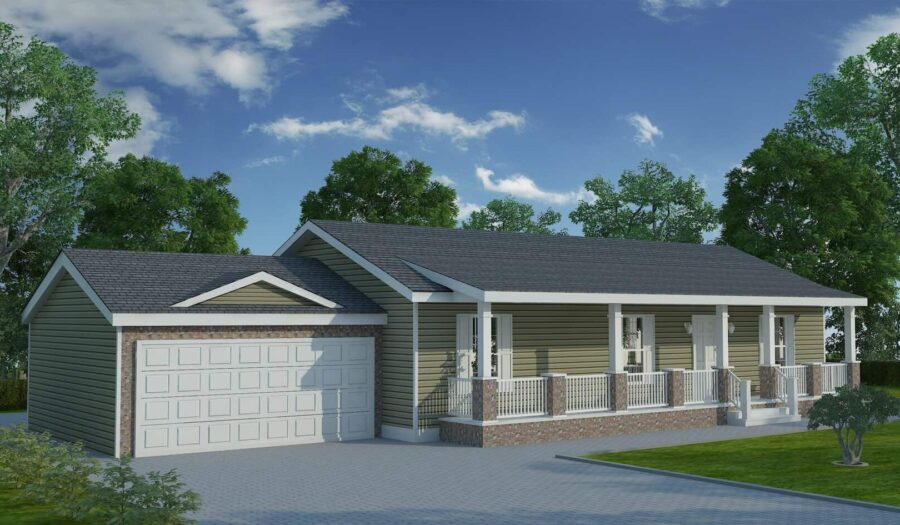 Est. Delivery Dec 7, 2026 **for standard home plans ordered today1,280 SF3 Beds2 BathsView Details
 - Anderson II Ranch Modular Home
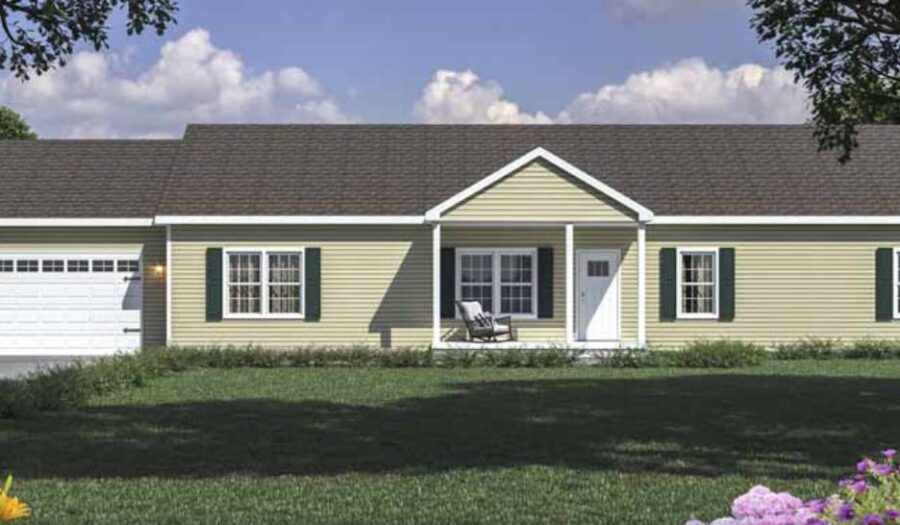 Est. Delivery Jan 1, 2027 **for standard home plans ordered today1,792 SF4 Beds2 BathsView Details
 - Amarillo Ranch Modular Home
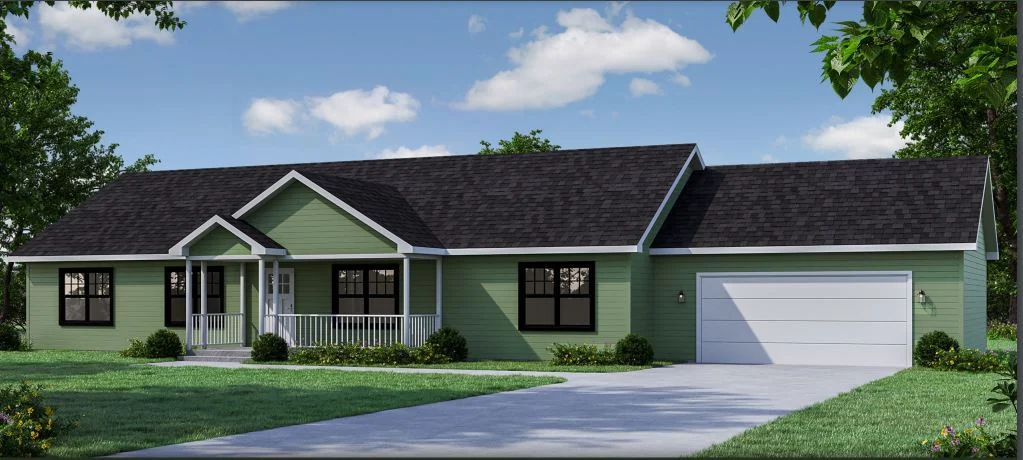 Est. Delivery Jan 1, 2027 **for standard home plans ordered today1,860 SF3 Beds2 BathsView Details
 - Cedar Forest Ranch Modular Home
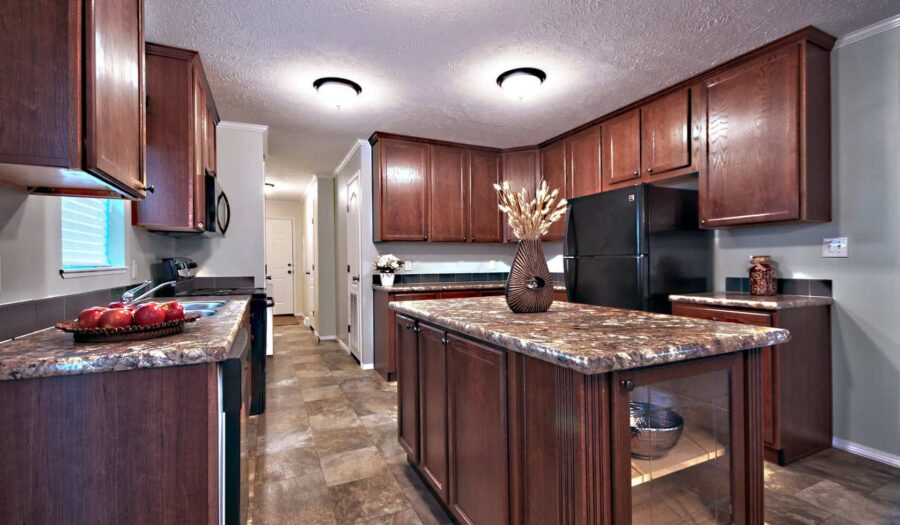 Est. Delivery Dec 7, 2026 **for standard home plans ordered today1,493 SF3 Beds2 BathsView Details

Why choose mobile housing in Naperville, Illinois?
Naperville’s housing market is expensive. The median home price pushes many buyers toward long commutes or smaller spaces. Mobile homes offer a different option: quality construction at lower costs than traditional building.
That translates to real savings. Factory-built homes typically cost noticeably less than site-built construction. You’re not cutting corners — you’re choosing a smarter, factory-efficient process that delivers the same livability without the inflated price tag.
Modern mobile homes aren’t what they were decades ago. Today’s builds include energy-efficient windows, durable siding, quality cabinetry, and layouts designed for how people actually live. You get customization options, faster construction timelines, and homes built to strict standards before they ever leave the factory.
Speed matters too. While traditional builds stretch across months of weather delays and contractor scheduling conflicts, our homes can move from factory to foundation in weeks. You’re not waiting on subcontractors or hoping the weather cooperates. You’re working with a controlled, predictable process.
With our Turn-Key service, Next Modular handles everything from permits and site prep to delivery and final inspections. You’re not managing a dozen moving parts. You’re working with one team that knows how to get homes built right and on time.
Understanding your options: Mobile vs. modular homes
The terms get used interchangeably, but they mean different things. A mobile home is built to HUD standards and designed for transportation. A modular home is built to the same local building codes as a site-built house, but just happens to be constructed in a factory.
Manufactured homes (the term for modern mobile homes) sit on a steel chassis, delivered to your property, and either placed on a permanent foundation or set up on piers. They’re affordable, customizable within limits, and built to federal HUD standards that ensure safety and durability.
Modular homes are built in sections, transported to your site, and permanently attached to a foundation. They meet all local building codes and can be customized extensively.
Both options save money compared to traditional construction. The difference is in how much customization you want and what your local zoning allows.
Cost comparison and savings
Base pricing for our homes is generally lower than modular builds, but both cost less than site-built construction. Savings vary depending on floor plan, finishes, and lot requirements.
What’s included? Cabinets, doors, trim, windows, flooring, plumbing fixtures, and electrical, which are all installed at the factory. Your home arrives with walls painted and most finishes in place.
The average home size varies significantly, with 3-bedroom, 2-bath layouts being the most common. Pricing scales with size and features, but modular and mobile homes remain competitive with traditional construction.
What’s not included? Foundation work, site prep, utility hookups, and optional upgrades like stone countertops or hardwood floors. Those costs depend on your property and the features you choose.
The homebuying process: What to expect
You’ll start by choosing your floor plan. Next Modular offers a range of layouts — ranches, Cape Cods, two-stories — and works with multiple manufacturers to match your budget and customization needs.
Once you’ve selected a design, the process splits into two paths: Home-Only or Turn-Key service.
Home-Only means Next Modular builds, delivers, and sets your home on a foundation you’ve arranged, but you handle site work, permits, and utility connections. It’s the right fit if you want to manage costs directly.
Turn-Key means Next Modular handles everything, including permits, site prep, foundation, septic or well installation, utility hookups, and final inspections. You won’t be juggling subcontractors or chasing down inspectors — it’s one team, one timeline, and one point of contact.
Either way, the factory build takes 8 weeks to 3 months, depending on the manufacturer and current demand. Once your home is set on the foundation, you’re typically 90 days from move-in for non-custom builds.
Timeline from selection to move-in
Here’s what the timeline looks like: You select your floor plan and finalize customization options. Next Modular orders your home once permits are secured and financing is in place, and the factory builds your home while site work happens in parallel.
Delivery and setup take a few days. Once the home is set, finish work begins — connecting utilities, completing marriage line work (where the sections join), and handling final trim. Inspections follow, and you’re cleared to move in.
Total time from order to keys in hand is about 5 to 6 months for most projects. Complex builds or custom designs can stretch longer, but the process stays predictable.
Financing your new home
You’ll need a construction loan unless you’re paying cash. Traditional mortgages typically don’t cover homes under construction, but construction loans do.
Conventional construction loans are the most common option. Lenders generally require good credit, proof of income, and a down payment. The loan covers the cost of the home, site work, and installation, then converts to a standard mortgage once construction is complete.
Government-backed options include FHA, VA, and USDA loans. FHA loans require a small down payment, while VA and USDA loans can offer zero-down options for eligible buyers.
Lenders will request documentation such as pay stubs, tax returns, bank statements, a personal financial statement, and a credit report. Mobile homes may have slightly stricter requirements than modular ones, so working with a lender experienced in these types of properties helps the process go smoothly.
Next Modular connects you with local banks familiar with financing these homes, so you’re not navigating the process alone.
Paying cash simplifies the transaction — meaning no mortgage interest or underwriting delays — but most buyers finance. Being prepared with the right documentation keeps the process straightforward.
Finding the right location and community
You need suitable land. If you already own property in Naperville or the surrounding area, review local zoning regulations. Some municipalities limit where mobile homes can be placed, while modular homes generally face fewer restrictions since they’re built to local codes.
If you’re looking for land, decide whether you want to rent a lot in a community or purchase your own property. Renting a lot has lower upfront costs and access to amenities, but you don’t build equity in the land. Buying property provides full ownership but requires a larger investment.
Site prep is important. Your property needs a foundation (basement, crawlspace, or slab), utility access (water, sewer or septic, electric, gas), and road access for delivery. Next Modular’s Turn-Key service handles all of this, while Home-Only buyers coordinate site work independently.
Location affects resale value, commute times, and lifestyle. Naperville offers strong schools, parks, and amenities, while nearby communities like Warrenville, Aurora, and Plainfield provide similar benefits with potentially lower land costs.
Naperville area highlights and nearby communities
Naperville is consistently recognized as one of the best places to live in Illinois. Strong schools, low crime, abundant parks, and a vibrant downtown make it a top choice for families. Land costs tend to be higher due to strong demand.
Nearby communities offer alternatives. Warrenville, just west of Naperville, provides easier access to land while maintaining a similar quality of life. Aurora and Plainfield present more affordable options while keeping you within a manageable commute to Chicago.
Transportation access is strong across the region. Metra’s BNSF line connects Naperville and Aurora to downtown Chicago, while surrounding communities can reach nearby stations by car. Major highways (I-88, I-355, and I-55) provide convenient access across the western suburbs.
Working with Next Modular for Your Naperville Home
Next Modular builds homes across the Midwest, from Indiana and Michigan to Illinois and Ohio. For buyers in Naperville and the western suburbs, we offer both Home‑Only and Turn‑Key services.
Turn-Key makes sense if you want one team handling everything. Next Modular secures permits, coordinates site prep, manages subcontractors, and oversees the entire build from start to finish. You get predictable timelines and a single point of contact.
Home-Only works if you’re managing your own site work or already have a trusted contractor. Next Modular delivers and sets your home, and you handle the rest.
With us, you’re not locked into a one-size-fits-all approach. Our team brings decades of experience and a track record of customer satisfaction. We’ll walk you through options, explain what’s included, and help you build a home that fits your budget and timeline.
Frequently asked questions:
1) Can I get a mobile home in Naperville city limits?
Zoning rules vary by municipality. Naperville may restrict the placement of these homes. Modular homes built to local codes usually face fewer limitations.
Confirm with the city’s planning department or Next Modular for your property.
2) How much does a manufactured home cost compared to a site-built home in Naperville?
Our homes generally cost less than traditional site-built construction. Exact pricing depends on size, finishes, and site work, but factory-built homes consistently save money compared to on-site builds.
3) What’s the difference between Home-Only and Turn-Key service?
Home-Only means Next Modular delivers and sets your home on a foundation you arrange. You handle site prep, permits, and utilities. Turn-Key covers everything, including permits, site work, foundation, utilities, and inspections — it’s ideal if you want full-service support.
4) How long does it take to move in?
For non-custom builds, expect about 5 to 6 months from order to move-in. Factory assembly takes 8 to 12 weeks, followed by roughly 90 days for site work, delivery, setup, and final inspections. Custom projects may take longer.
5) Do your homes qualify for FHA or VA loans?
Yes. FHA loans require 3.5% down, VA loans can offer zero down for qualified veterans, and USDA loans also provide zero-down options for eligible rural properties. Use a lender experienced in manufactured home financing.
6) Can I customize my mobile or modular home?
Modular homes offer extensive customization options for floor plans, finishes, and layouts. Some manufacturers build from scratch. For mobile homes, your choices are generally limited to décor and color.
7) What’s included in the base price?
The base price covers the home, including cabinets, doors, trim, windows, flooring, plumbing fixtures, electrical, and painted walls. It does not include delivery, site work, foundation, utility hookups, or optional upgrades.
8) Do I need to own land before ordering a home?
Not necessarily. You can rent a lot in a manufactured home community or buy land separately. Lenders usually require ownership or a lease agreement before approving financing.
9) What kind of foundation do mobile homes need?
Manufactured homes can sit on a permanent foundation (basement, crawlspace, or slab) or piers. Modular homes require a permanent foundation that meets local codes. Choice depends on budget, site conditions, and regulations.
10) Does Next Modular handle permits and inspections?
Yes, with Turn-Key service. Next Modular handles permits, inspections, and ensures compliance. With Home-Only, you manage permits and inspections, though guidance is available.
Conclusion
Next Modular’s homes deliver quality, affordability, and speed — everything you need if you’re navigating Naperville’s competitive housing market. You save money, move in faster, and get a home built to the same standards as traditional construction.
Choosing us makes the process straightforward. From sale to final inspection, you’re working with a team that’s been building homes for decades. Whether you need full Turn-Key service or just delivery and setup, we’ll meet you where you are.
Reach out today to discuss your project, view model homes, or request more information. Your next home is closer than you think.