What You Need to Know About Buying Prefabricated Houses in Dayton, OH
Thinking about settling in Dayton, OH? Prefabricated houses from Next Modular are an option worth exploring. They’re typically more affordable than traditional builds and can be move-in ready much faster.
To make the most of your investment, it’s vital to understand zoning requirements, financing options, and the foundation work needed for installation. Let’s break down what makes prefabs a practical path to homeownership in Dayton.
- Danbury Ranch Modular Home
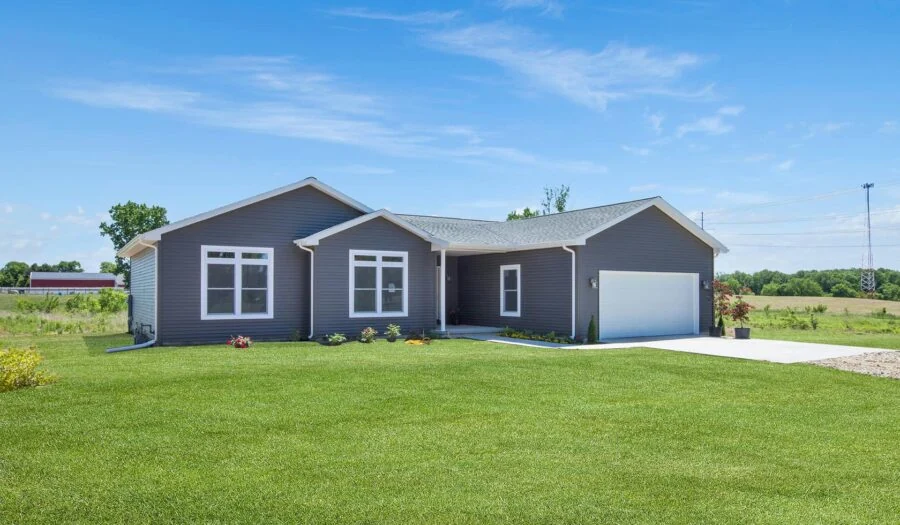 Est. Delivery Aug 2, 2026 **for standard home plans ordered today
 1,652 SF3 Beds3 BathsView Details
 - Brentwood II Ranch Modular Home
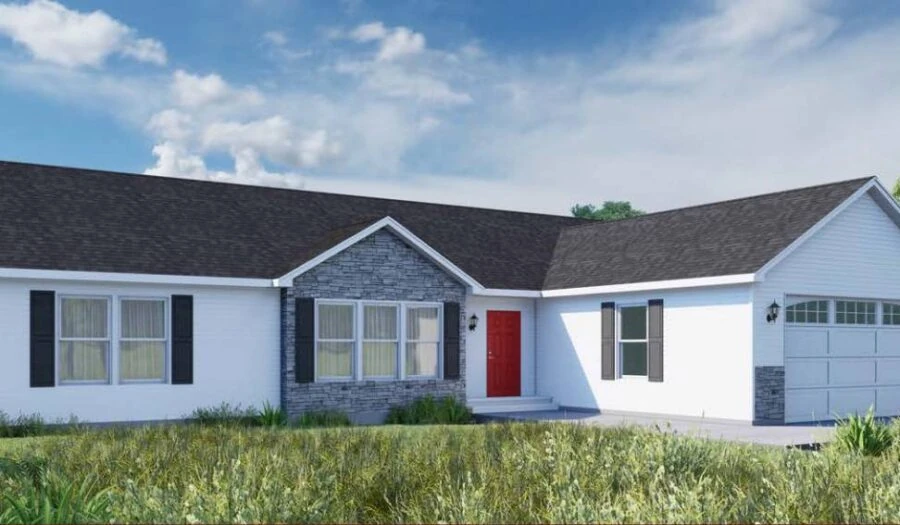 Est. Delivery Aug 2, 2026 **for standard home plans ordered today1,736 SF3 Beds2 BathsView Details
 - Barton Forest Ranch Modular Home
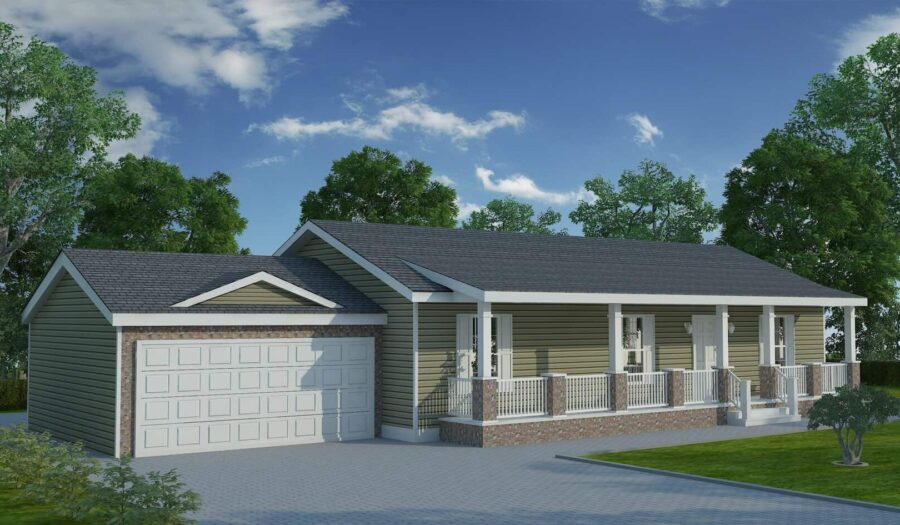 Est. Delivery Jul 8, 2026 **for standard home plans ordered today1,280 SF3 Beds2 BathsView Details
 - Anderson II Ranch Modular Home
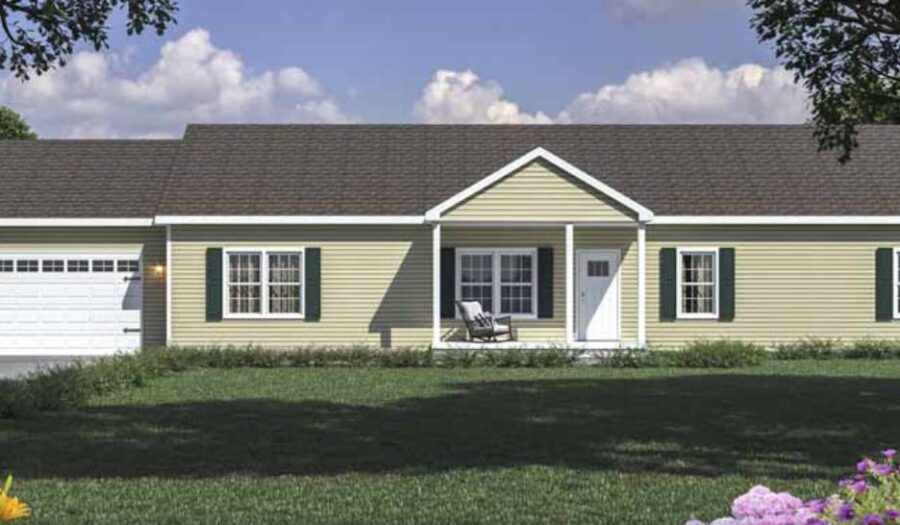 Est. Delivery Aug 2, 2026 **for standard home plans ordered today1,792 SF4 Beds2 BathsView Details
 - Amarillo Ranch Modular Home
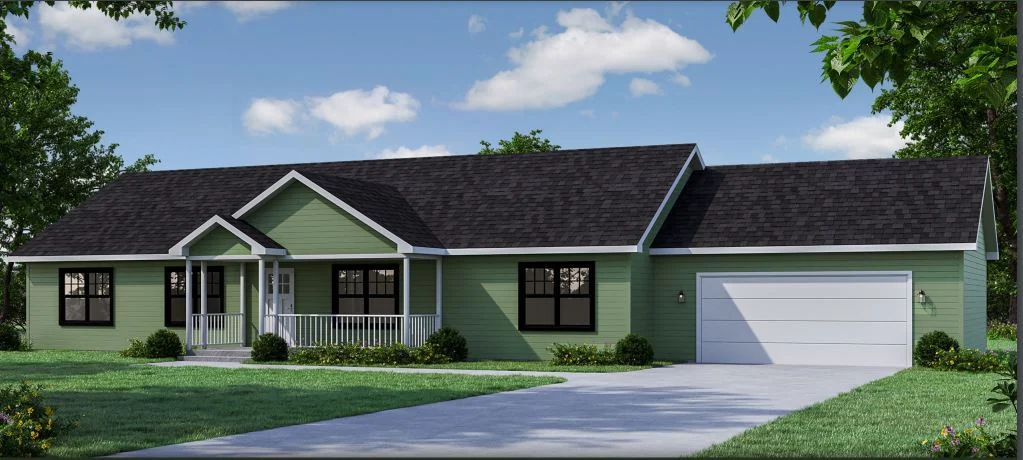 Est. Delivery Aug 2, 2026 **for standard home plans ordered today1,860 SF3 Beds2 BathsView Details
 - Cedar Forest Ranch Modular Home
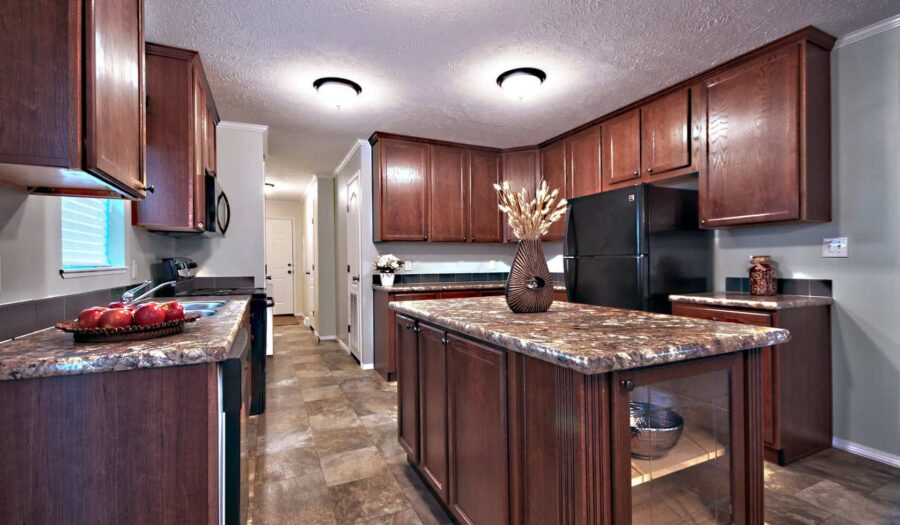 Est. Delivery Jul 8, 2026 **for standard home plans ordered today1,493 SF3 Beds2 BathsView Details

Advantages of prefabricated houses in Dayton, OH
Prefabricated houses stand out for two major reasons: cost savings and faster construction.
Many buyers find they can save tens of thousands compared to a site-built home while also moving in months sooner. For families and individuals eager to own without the long wait or heavy price tag, prefabs offer a compelling solution.
Cost savings compared to traditional homes
Prefabricated houses often cost significantly less than conventional construction while still meeting modern standards for safety, energy efficiency, and design. Lower labor needs and streamlined building processes reduce expenses, giving you the flexibility to put more into upgrades or other priorities without going over budget.
Faster move-in timeline
Alongside affordability, speed is one of the biggest draws of prefab construction.
Because much of the home is built off-site in a factory setting, weather delays and on-site slowdowns are minimized. This efficient process means you can often move into your new home in a fraction of the time required for a traditional build.
Understanding the purchase and installation process
Buying a prefab home is a process that combines design selection, site prep, and final installation. Knowing what to expect at each stage helps you avoid surprises and move into your new home with confidence.
How prefab houses are installed
These houses are built in sections at a factory and then delivered to your site for assembly. Alongside assembly, you must consider site preparation tasks, including securing permits, preparing the land, and connecting utilities.
Becoming familiar with each step ensures your project stays on schedule and avoids unexpected delays.
Modular home assembly, explained
Once your home is built in the factory, the modules are transported and assembled on-site according to your selected floor plan. This process ensures precision, consistent quality, and adherence to safety standards.
Building in a controlled environment reduces weather-related delays and allows your home to be completed faster and more reliably than traditional construction.
Preparing your site for installation
A solid foundation is essential. Proper site preparation includes clearing and grading the land, installing a foundation, and coordinating utility connections.
Next Modular’s Turn-Key service can manage all of these tasks, handling site prep and final installation so you can focus on moving into your new home without unnecessary stress or coordination challenges.
Overcoming common challenges
The purchasing process may come with hurdles like selecting a good location or dealing with zoning regulations. Fortunately, with careful planning, these challenges are more than manageable.
Choosing your ideal location
When choosing a location, look for established communities that welcome prefabricated houses. Dayton has many neighborhoods that offer safety, accessibility, and convenient proximity to amenities.
Research local property trends and community features to ensure your investment supports both comfort and long-term value. The right place can add to your lifestyle and protect your home’s resale value.
Navigating zoning regulations
Zoning regulations can impact the type, size, and style of homes allowed in a given area. Some custom builds may require additional permits or approvals.
Confirming local zoning rules before purchasing helps avoid delays and ensures your home complies with all requirements, making the move-in process smoother and more predictable.
Financing and budgeting for your prefab home
Having a solid understanding of your financial options makes the homebuying process a lot easier. Our homes often cost less than traditional construction, and knowing where your money goes helps you plan with confidence.
Here are the main things to keep in mind:
- Construction loans: Many local banks offer loans designed for prefabricated homes. These often cover the build and convert to a standard mortgage once your home is set.
- Site preparation and utilities: Land clearing, foundation work, and connecting water, electricity, and sewer lines are all costs to factor in.
- Custom upgrades: Extras like decks, porches, or energy-efficient features can add to the price, but they’re worth considering for long-term value.
- Ongoing expenses: Remember property taxes, insurance, and any community fees if your home is in a managed neighborhood.
Frequently Asked Questions:
1) What is the difference between a mobile home and a prefabricated house?
Mobile homes, also called manufactured homes, are fully built in factories and then transported to their site. They are often more affordable but can have limitations in sturdiness and design flexibility.
Prefabricated houses, or prefabs, are also factory-built but assembled on-site. They are typically more robust, highly customizable, and can resemble traditional houses. Both options save time and money, but understanding the differences helps you choose the best fit for your lifestyle and budget.
2) Are prefabricated houses as durable as traditionally built homes?
Yes. They are built to be just as durable as traditionally constructed homes.
In many cases, prefabricated houses are even stronger because factory-controlled construction allows for higher-quality materials and precise assembly. They are also designed to withstand transportation to your site, ensuring structural integrity from delivery to move-in.
3) Can I customize my prefabricated house according to my preferences and needs?
Absolutely. Prefab homes are far from cookie-cutter.
You can personalize almost every aspect, from the floor plan to finishes. Choose your kitchen and bathroom layouts, flooring, cabinetry, and even exterior materials. This flexibility allows you to create a home that truly reflects your style and meets your family’s needs.
4) What maintenance is required for a prefabricated home?
Maintenance is similar to that of any traditional house.
Regularly inspect the roof, windows, and doors for leaks or drafts, and keep up with HVAC and appliance care. Cleaning moisture-prone areas like kitchens and bathrooms prevents mold. Additionally, maintaining the exterior — siding, trim, and landscaping — keeps your home looking its best and protects your investment.
5) How does the resale value of prefabricated homes compare to traditional homes?
Prefabricated homes can hold resale value similar to traditional builds.
Factors like build quality, location, and ongoing upkeep play a major role. While all houses can depreciate, regular maintenance and choosing a desirable neighborhood can maximize resale potential. Consulting a local real estate professional can also help you make informed decisions to protect your investment.
6) Can I finance a prefabricated house like a traditional home?
Yes. Prefabricated houses qualify for standard mortgage products, including conventional, FHA, VA, and USDA loans.
Many builders, including Next Modular, can help you navigate construction loans that convert into a traditional mortgage once the home is set. Understanding your financing options early helps you plan your budget and avoid surprises.
7) How long does it typically take to move into a prefabricated home?
Once your design is finalized and your site is ready, most can be assembled and move-in ready in a matter of weeks after delivery. Our Turn-Key services streamline this timeline, handling permits, site prep, and inspections so you can settle in quickly.
8) Are prefabricated houses energy efficient?
Yes. In fact, prefabricated houses often exceed energy efficiency standards.
Because they’re built in a controlled factory environment, insulation, window installation, and HVAC systems are installed precisely, reducing air leaks and utility costs. You can also choose energy-efficient upgrades to further lower your monthly bills and create a greener home.
9) Can prefabricated homes be placed on any type of lot?
Not all lots are suitable for prefabricated houses.
Your site needs proper zoning, access to utilities, and a prepared foundation. Many builders, including Next Modular, provide guidance on selecting or preparing a lot to ensure your home sits securely and meets local regulations.
10) Are prefabricated homes suitable for families with children?
Absolutely. They offer flexible layouts that can be customized for growing families.
You can add extra bedrooms, open-concept living spaces, or larger kitchens. The durable construction and modern safety features also make them a practical, long-term choice for family living.
Conclusion
If you’re considering a home in Dayton, Ohio, prefabricated houses offer a smart, cost-effective option. They save time, reduce expenses, and offer a lot of design flexibility. Understanding the purchase process, from site preparation and installation to financing and local regulations, ensures a smooth transition into your new home.
Explore your options with Next Modular today and take the first step toward your customized, move-in-ready home.