Prefab Homes in Evansville, IN: The Modern Approach to Homebuilding
If you’re considering a new home in Evansville, IN, you should explore the benefits of prefab homes. These modern, customizable homes are built in factories, ensuring excellent quality control. And with a relatively short construction process, they’re an ideal option if you’re on a tight schedule.
Ready to learn more about how this innovative homebuilding process works and what it could mean for your housing future? Let’s take the plunge.
- Ivy Ranch Modular Home
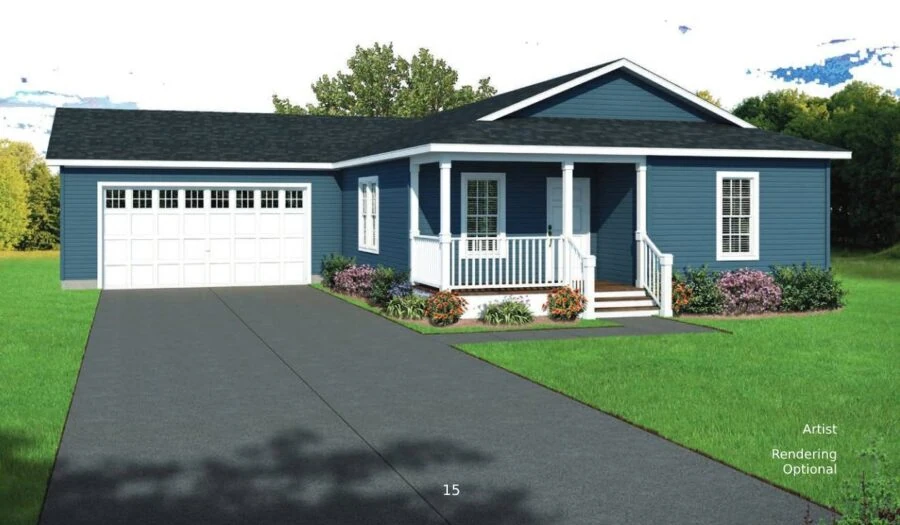 Est. Delivery May 2, 2026 **for standard home plans ordered today
 1,387 SF3 Beds2 BathsView Details
 - Lilac Ranch Modular Home
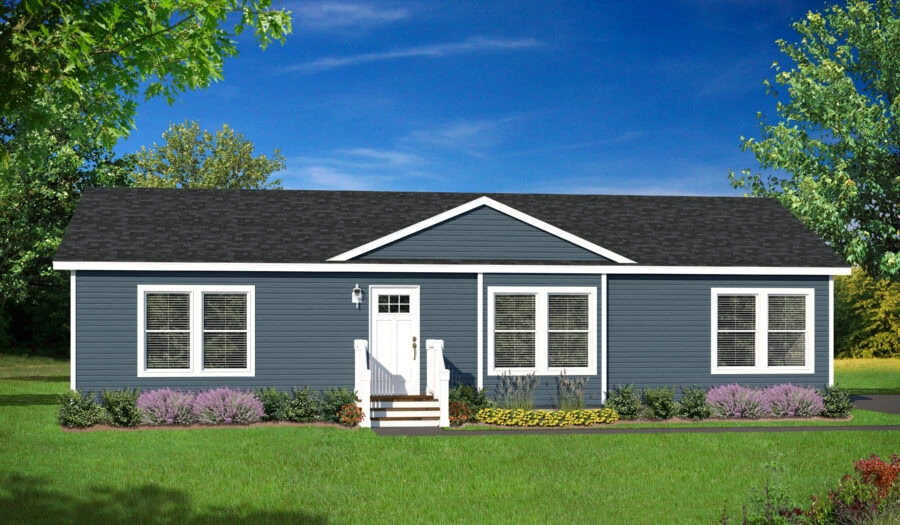 Est. Delivery May 2, 2026 **for standard home plans ordered today1,387 SF3 Beds2 BathsView Details
 - Iris Ranch Modular Home
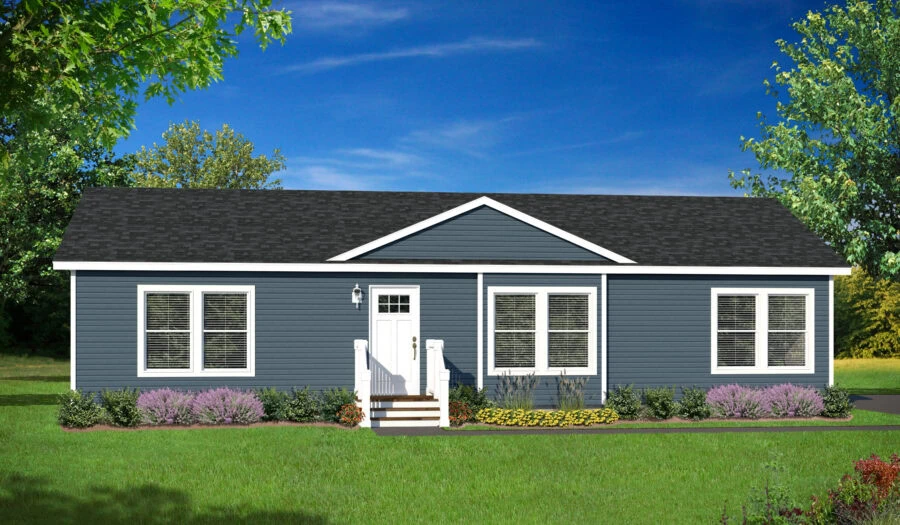 Est. Delivery May 2, 2026 **for standard home plans ordered today1,493 SF3 Beds2 BathsView Details
 - Wildflower Ranch Modular HomeEst. Delivery May 2, 2026 **for standard home plans ordered today1,493 SF3 Beds2 BathsView Details
- Cherry Blossom Ranch Modular Home
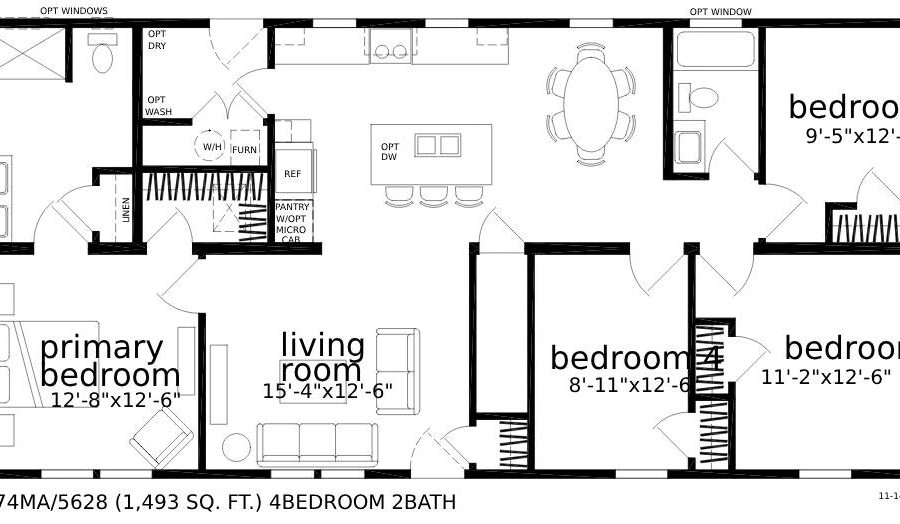 Est. Delivery May 2, 2026 **for standard home plans ordered today1,493 SF4 Beds2 BathsView Details
 - Tulip Ranch Modular HomeEst. Delivery May 2, 2026 **for standard home plans ordered today1,493 SF3 Beds2 BathsView Details

The demand for prefabs is rising in Evansville
You might’ve noticed a rising interest in prefab homes in Evansville.
To understand this trend, it’s essential to know what ‘prefab’ means, how it differs from traditional, site-built homes, and who these homes are best suited to.
What “prefab” means and how it differs from site-built homes
Prefab, short for prefabricated, refers to a construction method that involves assembling sections of a prefab home in a factory before transporting them to the construction site for final assembly and installation.
This differs from site-built homes, which are entirely built on-site.
Through modular construction, prefab homes offer better quality control, faster build times, and often result in cost savings.
Who do prefab homes fit best in Evansville?
With the rise of modern, efficient, and customizable construction methods, it’s no surprise that Evansville’s market is seeing an increased demand for prefab homes.
- First-time homebuyers: Prefab homes, including modular and manufactured homes, offer affordability and quick construction.
- Downsizers: These homes provide efficient, smaller spaces without sacrificing comfort.
- Investors: Prefabs offer a cost-effective way to grow portfolios.
- Eco-conscious buyers: Prefab homes often incorporate green building techniques, appealing to those prioritizing sustainability.
How prefab homebuilding works from start to finish
Your prefab home journey begins with choosing a model and deciding on any customizations. From there, Next Modular provides clear options for how your project will be managed: Home-Only, where you handle permits, site prep, and utilities with guidance, or Turn-Key, where the team manages everything from start to finish.
Factory construction begins once the site is ready and permits are in place. Each section undergoes rigorous inspections and quality control before delivery and assembly.
Choosing a model and setting expectations on customization
Start by selecting a model home that fits your needs and lifestyle. With Next Modular, you can adjust layouts, finishes, and optional features depending on which manufacturer aligns with your project.
Consider these steps:
- Explore various prefab models.
- Identify key elements you want in your home.
- Review the level of customization available through your chosen service option.
- Set realistic expectations for what can be adjusted without affecting budget or timeline.
Permits, site prep, and utility planning
With a model selected and customizations outlined, the next stage is preparing your site and securing any required permits.
- For Home-Only, you coordinate permits, land prep, and utilities while Next Modular provides guidance.
- For Turn-Key, Next Modular manages permits, coordinates contractors, prepares the site, and handles utility connections so the process is seamless.
Completing this stage correctly ensures a smooth factory construction and assembly process.
Factory construction, inspections, and quality control
While site work progresses, your prefab home is built in a climate-controlled factory.
- Sections are assembled indoors, protecting materials from weather.
- Inspections and quality checks happen at every stage.
- Materials are tested for strength, durability, and compliance with local building codes.
- Completed sections are transported to your site for assembly and finishing.
Whether you choose Home-Only or Turn-Key, these steps ensure your home meets high standards for safety, longevity, and precision.
Cost, timeline, and value in the real world
When considering a prefab home, it’s essential to understand what factors can influence the total cost beyond the base price. You’ll also want to be aware of typical build timelines and what can expedite or delay delivery.
Long-term value matters too. Prefab homes built to code offer durability, energy efficiency, and resale potential comparable to traditional homes, making them a practical investment for buyers.
What drives total cost beyond the base price
While a prefab home’s size and design set the starting price, several factors can add to the total cost:
- Customizations such as premium finishes, upgraded cabinetry, or expanded layouts.
- Site preparation including grading, foundation work, and utility connections.
- Financing costs like loan fees, interest rates, and closing expenses.
Understanding these variables upfront helps you plan accurately and avoid surprises.
Typical build timelines and what can speed up or slow down delivery
After considering the factors that drive the total cost of prefab homes, it’s equally important to understand the typical build timelines and the elements that can either speed up or slow down delivery.
The typical build timelines for prefab homes can range from a few weeks to several months. Factors such as permit approval, weather conditions, and customization complexity can impact the construction timeline, either accelerating or delaying delivery.
Resale value, durability, and energy efficiency considerations
Considering the resale value, durability, and energy efficiency of prefab homes can significantly impact not only your upfront costs but also your long-term investment.
- Resale value: Prefab homes typically hold their value well.
- Durability: These homes are built to last, using quality materials.
- Energy efficiency: Prefab homes are designed to be energy-efficient, saving you on utility bills.
- Cost: Upfront costs are generally lower than traditional homes, making them a smart investment.
How to choose the right prefab path
Choosing the right prefab path in Evansville, IN means understanding the services and support offered by your builder.
Next Modular provides both Home-Only and Turn-Key service options, allowing buyers to decide how much of the process they want handled by the team.
By carefully evaluating reputation, customization options, and financing requirements, you’ll ensure a smoother experience and a home built to your specifications.
How to evaluate builders, dealers, and installation partners
When selecting a prefab home provider, focus on the full scope of services offered:
- Reputation and experience: You’ll want to assess the builder’s reputation and expertise. Next Modular brings decades of experience with modular and prefab homes.
- Customization options: Review floor plans, layout modifications, and upgrade capabilities.
- Installation quality: Confirm that foundation, utility, and assembly work is coordinated efficiently.
- Transparency in costs: Ensure pricing is clear for both Home-Only and Turn-Key options.
Financing basics and what lenders usually require
Next Modular works with local lenders experienced in modular and prefab home financing. Most require a stable income, solid credit, and a down payment. Lenders also consider the property’s appraisal value and your debt-to-income ratio.
Comparing options and pre-qualifying helps you understand budget limits and secure the best possible terms.
Frequently asked questions:
1) What financing options are available for prefab homes?
Financing is available through conventional construction loans that convert to permanent mortgages. Local banks familiar with prefab projects often provide the best options. Costs vary based on your home’s size, customization, and whether you choose Home-Only or Turn-Key service.
2) Can I customize my prefab home design?
Yes, prefab homes are highly customizable. You can adjust floor plans, move walls, select finishes, and choose optional features. This flexibility allows you to create a home that reflects your style and meets your family’s needs.
3) How does Next Modular handle permits and inspections?
Next Modular manages all permitting and inspections for Turn-Key clients. They coordinate with local authorities, schedule inspections, and ensure the home meets all codes. Home-Only clients receive guidance while managing permits and inspections independently.
4) Do prefab homes come with any warranties or guarantees?
Prefab homes typically include a warranty covering materials and workmanship. Some builders offer extended coverage on structural components. Confirm specific details with your builder to understand the scope and duration of protection.
5) Are there any model homes I can tour before deciding?
Yes, model homes are available at Next Modular’s Goshen office and regional locations in Indiana and Ohio. Tours allow you to explore layouts, finishes, and customization options. Call ahead to confirm availability and scheduling.
Conclusion
Considering a prefab home in Evansville, IN? It’s a practical choice. You gain a cost-effective, quickly built home without compromising on quality or design.
Choosing the right prefab path matters, so review your options carefully. Next Modular’s prefab homes offer a modern approach that balances efficiency, affordability, and customization — making your next home both stylish and sustainable.