Everything You Should Know About Prefab Homes in Canton, MI
Prefab homes have come a long way, and buyers in Canton, Michigan are taking notice. Today’s prefab homes combine modern design, efficient construction, and meaningful customization without the long timelines and unpredictable costs of traditional builds. For many families, retirees, and first-time buyers, prefab construction offers a practical way to own a high-quality, permanent home without cutting corners.
At Next Modular, prefab-style building means clarity. Homes are built in a controlled factory environment, delivered to your land, and finished with care, either through a Home-Only setup or full Turn-Key service. The process is structured, transparent, and designed to remove stress while giving you control over the details that matter most.
- McKinley II Two Story Modular Home
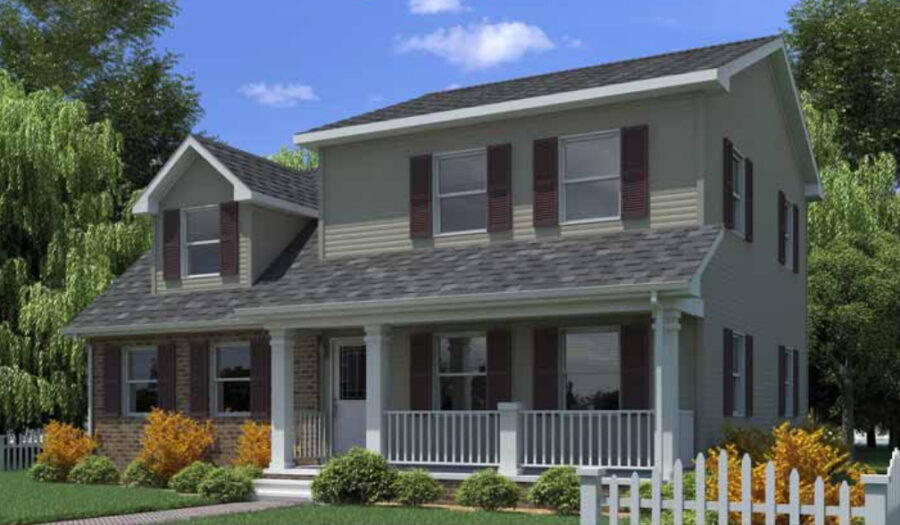 Est. Delivery Sep 20, 2026 **for standard home plans ordered today1,746 SF3 Beds2 1/2 BathsView Details
 - Reagan II Two Story Modular Home
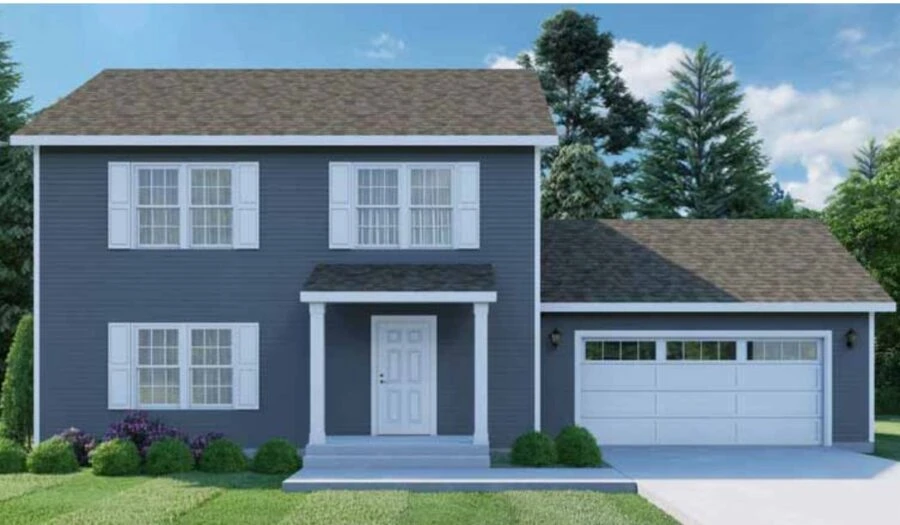 Est. Delivery Sep 20, 2026 **for standard home plans ordered today1,680 SF3 Beds2 1/2 BathsView Details
 - Washington Two Story Modular Home
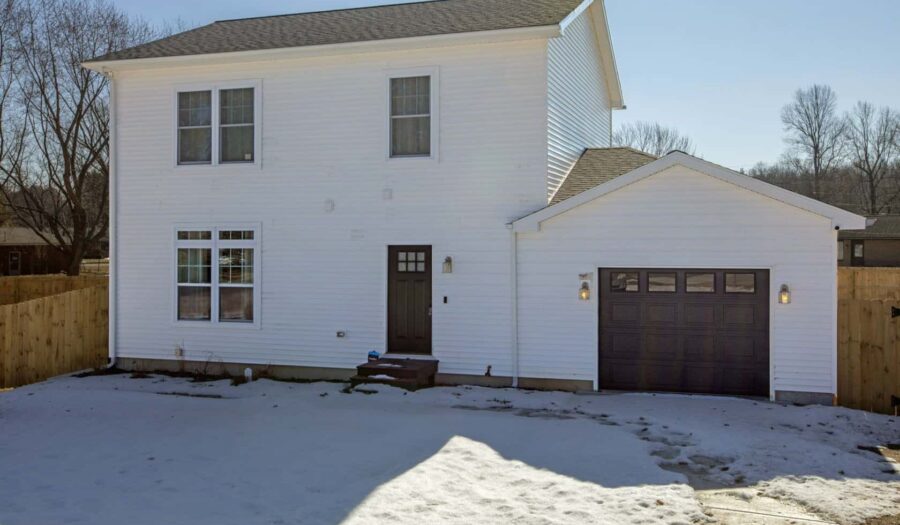 Est. Delivery Sep 20, 2026 **for standard home plans ordered today
 1,680 SF3 Beds2 BathsView Details
 - Luxe Ranch Modular Home
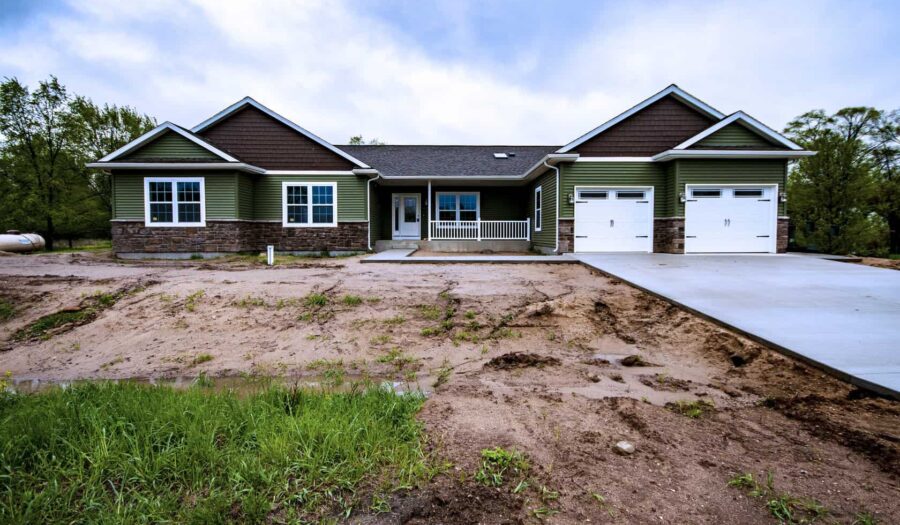 Est. Delivery Sep 20, 2026 **for standard home plans ordered today2,240 SF3 Beds2 BathsView Details
 - Westwood Ranch Modular Home
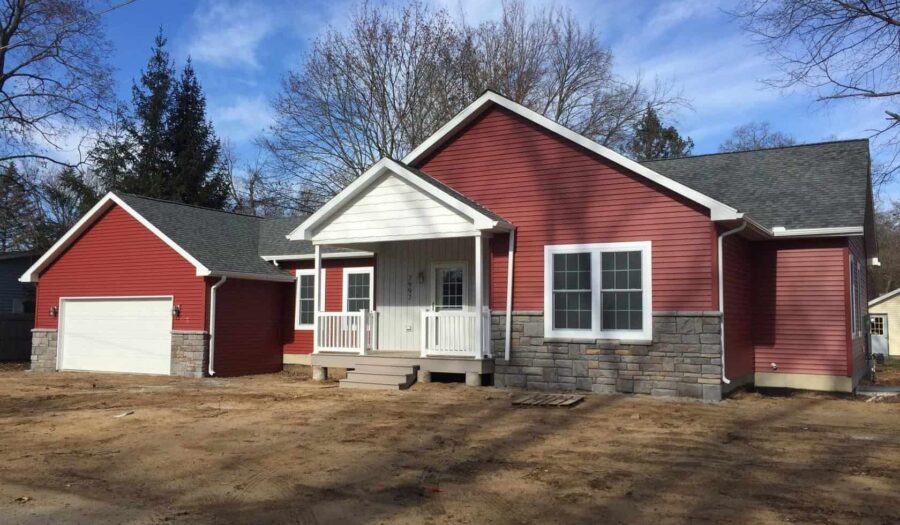 Est. Delivery Sep 20, 2026 **for standard home plans ordered today1,652 SF3 Beds2 BathsView Details
 - Hanover Cape Cod Modular Home (Optional Unfinished 2nd Floor)
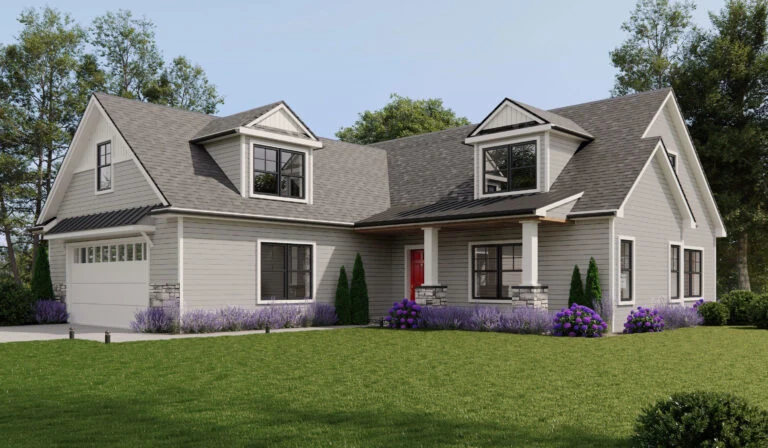 Est. Delivery Sep 20, 2026 **for standard home plans ordered today1,530 SF1 Beds1 1/2 bathsView Details

What “prefab home” means in today’s market
The term “prefab home” often gets misunderstood. In today’s market, prefab simply means the home is built off-site, then delivered and assembled on your property. It does not mean temporary, low-quality, or one-size-fits-all.
Modern prefab homes include modular and manufactured homes that meet or exceed local building codes. These homes are designed for long-term living, built with the same materials you’d find in traditional construction, and customized to fit real lifestyles.
The biggest difference is efficiency. Factory construction allows for better quality control, fewer delays, and less wasted material. For buyers in Canton, this often translates to faster move-in times and more predictable pricing.
Prefab vs. modular vs. mobile: Clearing up the confusion
These terms are often used interchangeably, but they are not the same. Understanding the distinction helps buyers make informed decisions.
Prefab is a broad category that includes any home built off-site. Modular homes fall under this umbrella. They are built in sections, transported to your land, and permanently installed on a foundation. Modular homes follow the same building codes as site-built homes.
Mobile homes — also called manufactured homes — are built to federal HUD standards. They are also permanent residences, but construction standards and installation methods differ from modular homes.
Knowing which option fits your needs depends on budget, land, timeline, and long-term plans. Next Modular helps buyers walk through those differences clearly, without assumptions or pressure.
How Next Modular approaches prefab-style homebuilding
Next Modular focuses on practical, permanent housing solutions. Every prefab-style build is approached with the understanding that this is not just a project — it’s where someone will live for years.
Homes are customized to fit real-world needs, from layout and square footage to finishes and upgrades. Buyers can choose how involved they want to be in the process, selecting from multiple service options depending on their comfort level with site work and coordination.
The goal is simple: provide a reliable, affordable alternative to traditional construction while keeping expectations clear at every stage.
Understanding Next Modular’s service models
Next Modular offers two service paths so buyers can choose the level of involvement that fits their situation.
Some customers want full control over site preparation, while others prefer a single point of contact from permits to final inspection. These options are designed to match different needs, not force a single approach.
Home-Only service and when it makes sense
Home-Only is ideal for buyers who already own land and prefer to manage their own site work. Next Modular handles the factory-built home, delivery, and set, while you coordinate excavation, utilities, and local contractors.
This approach can lower upfront costs and works well if you have trusted local resources or construction experience.
Turn-Key service from permits to final inspection
Turn-Key service is the most hands-off option. Next Modular manages permits, inspections, site preparation, utilities, foundation work, home set, and coordination with subcontractors. For many buyers, this approach reduces coordination challenges and keeps accountability in one place, making it especially helpful for first-time builders or those relocating.
Choosing the right service level for your project
Deciding between Home-Only and Turn-Key comes down to how much site work you want to handle. Home-Only gives more control and potential savings, while Turn-Key keeps everything managed, ensuring a smooth, fully coordinated build from start to finish.
Design and customization options that matter most
Prefab homes offer far more flexibility than many buyers expect. These homes aren’t limited to basic layouts or finishes — design choices shape how the home functions day to day, not just how it looks.
Personalizing a prefab home for function and style
Buyers can tailor layouts, room sizes, and interior finishes to match their routines. Storage, accessibility, and future plans all play a role in design decisions. Customization focuses on livability first, ensuring the home supports daily life comfortably, not just looks appealing on move-in day.
Exterior options: Garages, porches, and roofing
Exterior features influence both your home’s functionality and curb appeal. Popular upgrades include:
- Garages to protect vehicles and provide extra storage space.
- Porches and decks that extend living areas outdoors for entertaining or relaxing.
- Durable roofing built for local climate conditions to reduce maintenance and protect your investment.
These choices also impact long-term maintenance and resale value, making them worth considering early.
Interior upgrades: Cabinetry, flooring, and appliances
Interior finishes make a home feel truly yours. Buyers can pick upgrades during construction, which is usually cheaper and easier than making changes later. Some popular choices include:
- Cabinetry and storage that fit your kitchen and living areas while maximizing space and functionality.
- Flooring options such as hardwood, luxury vinyl, or carpet that balance style, comfort, and durability.
- Appliances chosen for energy efficiency and everyday convenience.
Pricing and what actually drives cost per square foot
Prefab pricing isn’t one-size-fits-all. Key factors that influence cost include:
- Home size, since larger homes can spread costs over more square footage.
- Layout complexity, because custom designs require more materials and labor.
- Materials and finishes, with premium options adding to the overall price.
- Site factors, including foundation type, land conditions, and access to utilities, which affect construction needs.
Next Modular provides clear, detailed estimates so buyers know what drives cost — not just the final number.
Financing and loan readiness for prefab-style builds
Buying a prefab home usually involves a construction loan, which covers the factory-built home and, depending on the service level, any site work or installation. Local banks handle most of these loans, and Next Modular helps make the process easier by providing clear documentation and a breakdown of costs.
Both Home-Only and Turn-Key builds can be financed, so buyers can choose the level of support that fits their situation. Reviewing loan requirements early ensures the project stays on schedule and avoids unexpected delays.
Understanding how financing works before placing an order also helps buyers plan for timelines, budgets, and any site preparation that may be required, making the homebuilding process smoother from start to finish.
Timeline expectations from order to move-in
Prefab construction speeds up timelines, but it still follows a structured process. Knowing what to expect helps buyers plan realistically and coordinate site work or other logistics.
What the prefab build and delivery timeline typically includes
Most prefab projects move through several key phases:
- Factory construction usually takes six to eight weeks from order to completion.
- Delivery and installation typically requires one to two weeks to transport the home and set it on the foundation.
- Finishing touches may take one to two months for site work, utility connections, and final details.
Actual timelines can vary based on permits, weather, and site conditions, but prefab homes often reach move-in much faster than traditional construction.
Frequently asked questions:
1) What warranties does Next Modular provide for prefab homes?
Warranty coverage depends on the manufacturer and specific components. Next Modular guides buyers through what’s included, clarifying coverage for structural elements, systems, and finishes before construction begins.
2) Can prefab homes withstand extreme weather conditions?
Yes. Prefab homes are built to meet or exceed local building codes. Factory construction ensures precise assembly and consistent quality, supporting long-term durability in Midwest climates.
3) What maintenance does a prefab home require compared to traditional homes?
Maintenance is similar to site-built homes. Roofing, siding, materials, and systems follow standard residential requirements, with no special upkeep unique to prefab construction.
4) How energy-efficient are prefab homes from Next Modular?
Prefab homes are constructed with tight seams and modern insulation, which reduces air loss. This often results in lower heating and cooling costs compared with older homes or older site-built homes.
5) Does Next Modular provide assistance with land purchase?
Next Modular does not purchase land for buyers. Customers secure land independently, and the team evaluates site readiness and construction requirements before beginning the project.
6) Are prefab homes considered permanent residences?
Yes. Modular and manufactured homes installed on foundations are permanent residences. They can be financed, insured, and appraised just like traditional site-built homes.
7) Can I customize a prefab home layout?
Yes. Buyers can modify layouts, room sizes, and finish selections within manufacturer guidelines. This allows homes to be tailored to specific needs and personal preferences.
8) How long does financing approval usually take?
Loan timelines vary by lender, but many buyers receive approval within a few weeks. Starting the financing process early helps keep the build schedule on track.
9) Are prefab homes allowed in Canton, MI?
Local zoning and building codes apply. Next Modular helps review regulations to confirm feasibility before moving forward with a project.
10) What is the first step to getting started?
The process typically begins with a consultation to discuss land, budget, service options, and home style. From there, buyers move into design and financing planning.
Conclusion
Prefab homes offer a clear, practical path to homeownership in Canton, MI. With faster timelines, real customization, and transparent pricing, they remove many of the unknowns that come with traditional builds.
Next Modular supports buyers through every step — whether delivering a Home-Only package or managing a full Turn-Key build. The result is a permanent, comfortable home built with intention, not shortcuts.
For buyers ready to explore prefab construction, the next step is simple: start the conversation, review your options, and build with clarity instead of guesswork.