Modern Living Made Simple with Modular Home Builders in Naperville, IL
Finding the right path to homeownership in Naperville, IL doesn’t mean settling for generic designs or overspending. Modular homes offer a better way to build, thanks to faster timelines, cost savings, and customization without the delays and complications of traditional construction.
Next Modular brings decades of experience to Illinois homeowners, delivering factory-built houses across the Midwest. We handle everything from permits to final walkthroughs, whether you choose full Turn-Key service or prefer to manage certain parts of the project yourself. Customers typically see significant savings compared to site-built options, with money that can instead go toward upgrades, land improvements, or other priorities.
This building method combines precision factory work with flexible on-site assembly, allowing families to achieve a custom home efficiently and confidently.
- Danbury Ranch Modular Home
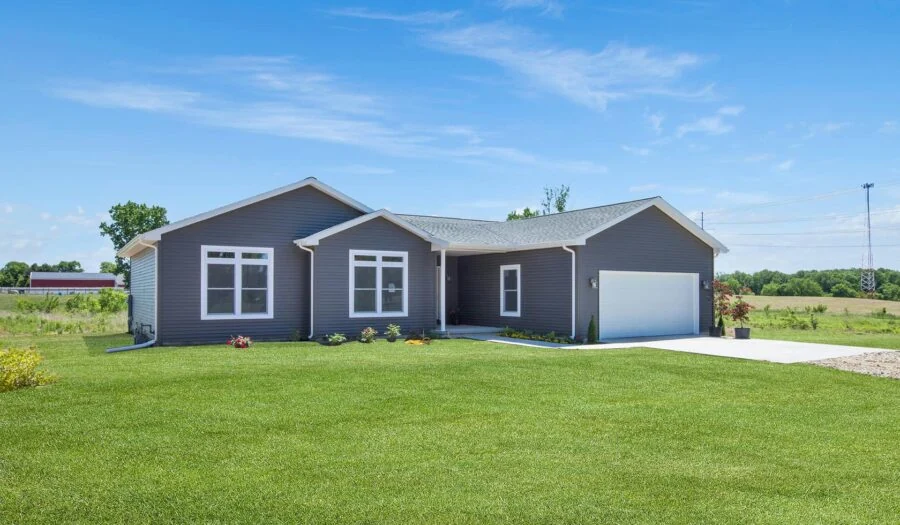 Est. Delivery May 26, 2026 **for standard home plans ordered today
 1,652 SF3 Beds3 BathsView Details
 - Brentwood II Ranch Modular Home
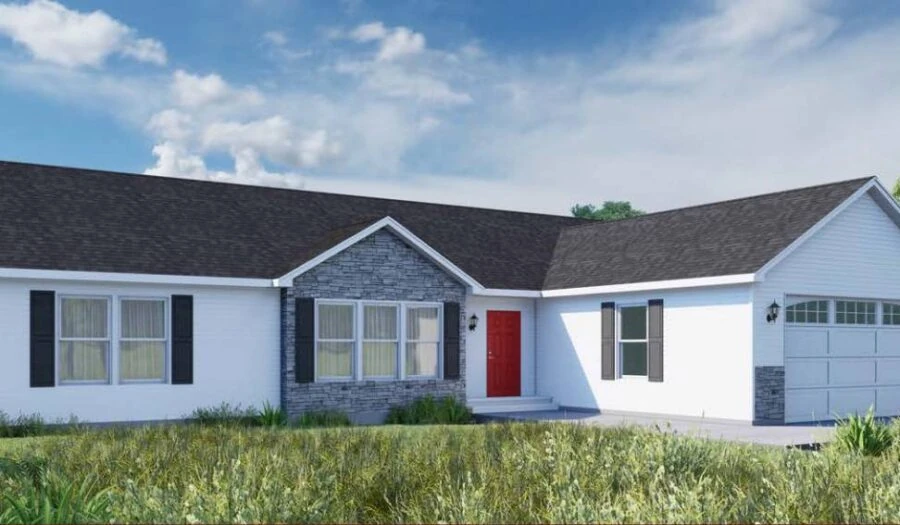 Est. Delivery May 26, 2026 **for standard home plans ordered today1,736 SF3 Beds2 BathsView Details
 - Barton Forest Ranch Modular Home
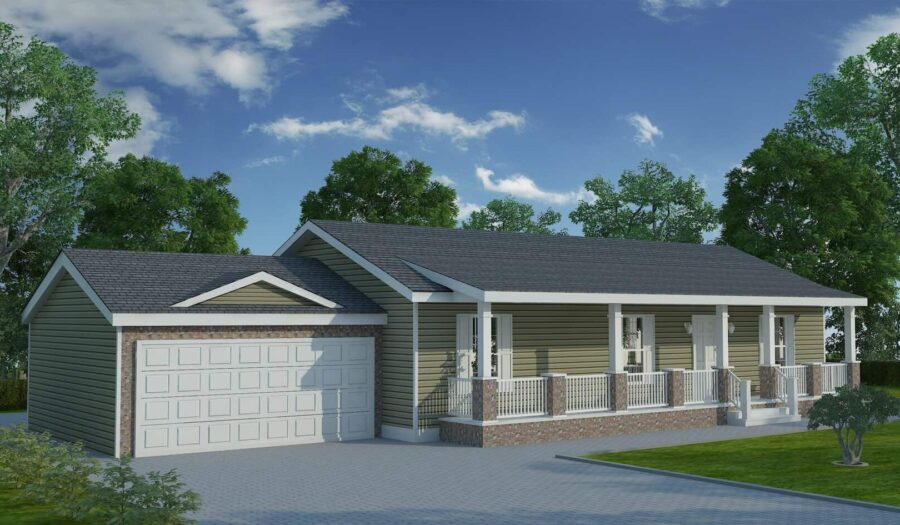 Est. Delivery May 1, 2026 **for standard home plans ordered today1,280 SF3 Beds2 BathsView Details
 - Anderson II Ranch Modular Home
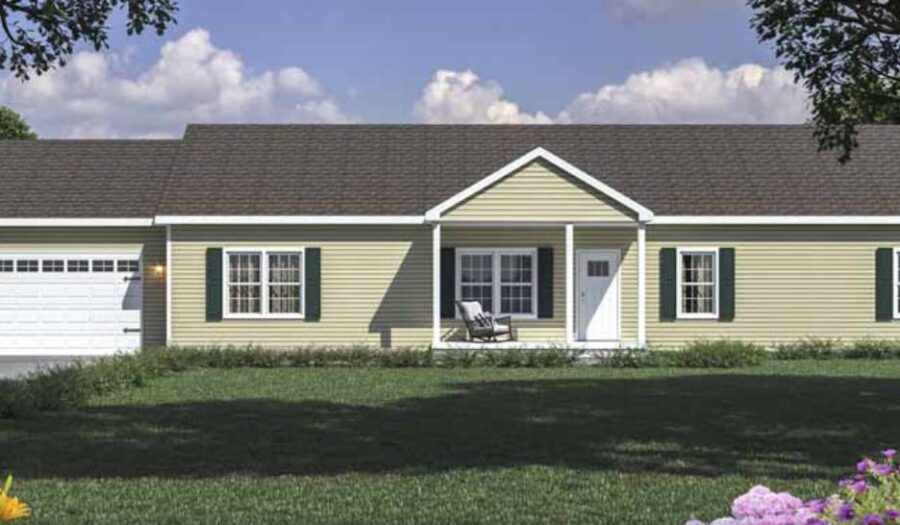 Est. Delivery May 26, 2026 **for standard home plans ordered today1,792 SF4 Beds2 BathsView Details
 - Amarillo Ranch Modular Home
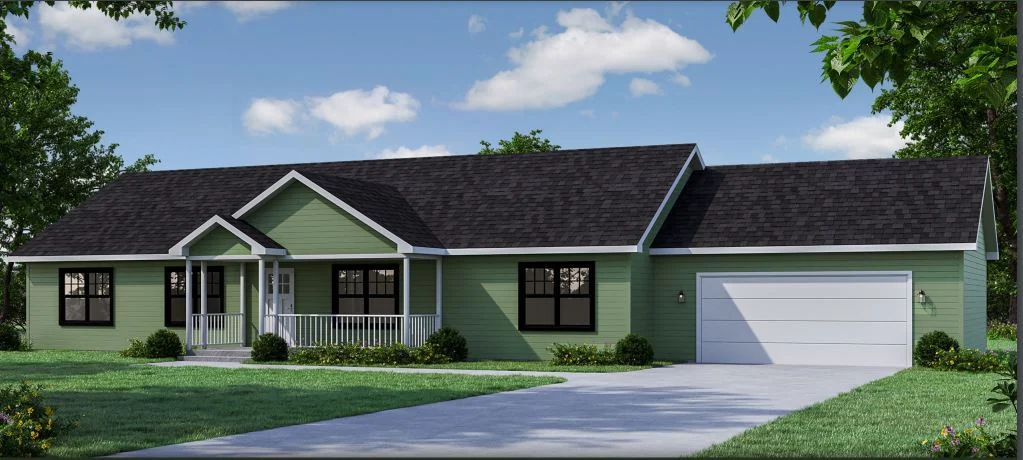 Est. Delivery May 26, 2026 **for standard home plans ordered today1,860 SF3 Beds2 BathsView Details
 - Cedar Forest Ranch Modular Home
 Est. Delivery May 1, 2026 **for standard home plans ordered today1,493 SF3 Beds2 BathsView Details

Why choose modular home builders in Naperville, IL?
These houses aren’t mobile housing or temporary structures. They’re permanent residences built to the same codes as any site-built house, often exceeding standards because they’re designed to handle transportation stress.
The Next Modular advantage in Naperville
We’ve been helping Midwest families build quality houses for decades. Our team is well-versed in local permitting and collaborates with experienced manufacturers throughout the region.
You’re not hiring a distant company that drops off a box and disappears. We coordinate site prep, foundation work, delivery, and finishing. If you’re within 70 miles of Goshen, our Turn-Key service covers everything. Outside that radius, we still support Home-Only projects with guidance and contractor connections.
Significant cost savings for Illinois homeowners
In Naperville, traditional homes can be expensive. Land costs, labor shortages, and weather delays often drive budgets higher. Factory-built houses avoid many of these issues.
Factory work allows for:
- Bulk material purchasing
- Streamlined labor
- No weather-related delays
These efficiencies translate to noticeable savings compared to site-built options, with actual amounts varying based on design, finishes, and site conditions.
You can redirect those savings toward land, upgrades, or other priorities. The quality of the house remains high — this building approach simply removes inefficiencies inherent in traditional methods.
Faster building timelines without compromising quality
Weather doesn’t stop factory work. Your house gets built in 4 to 6 weeks while your site is prepped simultaneously. Once the foundation is ready, we deliver and set it in a day or two.
From there, finish work takes roughly 90 days for a standard build. Compare that to 6 to 12 months for traditional projects, where rain delays, inspector backlogs, and subcontractor scheduling slow everything down.
You’re not sacrificing quality for speed either, because factory building includes multiple inspections at every stage. The controlled environment means tighter tolerances, better insulation, and fewer gaps or mistakes.
Understanding modular construction: The smart alternative
This approach isn’t new — it’s been around for decades. What’s changed is the sophistication of design, materials, and factory processes. Today’s factory-built houses rival or exceed site-built quality.
What are modular homes?
A modular home is built in sections at a factory, transported to your site, and set on a permanent foundation. Each section — called a module — is nearly complete when it leaves the factory. Cabinets, fixtures, flooring, and drywall are already installed.
“Prefab homes” is a broader term that includes modular, panelized, and kit houses. Modular houses specifically refer to factory-built sections that meet local building codes and are permanently affixed to land.
Manufactured houses follow HUD code instead of local building codes and sit on a steel chassis. These structures are built to different standards and typically cost less, which is why they’re not considered the same as factory-built options.
How modular houses are built
Factory workers build each section on an assembly line. Walls, floors, and roofs go up in stages. Inspectors check framing, electrical, plumbing, and insulation before the next phase starts.
Once complete, each module is wrapped for transport and loaded onto a truck. A crane sets the sections onto your foundation, and finish crews seal seams, complete exterior siding, and connect utilities.
Modular vs. traditional construction
Site-built projects mean everything happens outdoors. Rain delays framing, cold weather slows concrete curing, material theft happens, and subcontractors juggle multiple jobs.
Factory building skips those problems because:
- Materials stay dry and secure
- Work happens in a climate-controlled space
- Inspections occur on schedule
- The assembly line keeps moving
Both methods follow the same building codes, and your house will pass the same inspections as a site-built structure. The difference is how efficiently it gets done.
Debunking common myths about prefab homes
There are a few misconceptions about factory-built housing that often discourage buyers. Here’s the truth behind the most common myths:
- Lower quality than site-built homes: Factory work includes more rigorous inspections than most site-built projects. Materials don’t sit exposed to weather. Skilled workers repeat the same tasks daily, getting better with each structure.
- Limited design options: We work with multiple manufacturers offering hundreds of floor plans. You can modify existing layouts or submit custom sketches for unique designs. Kitchen finishes, flooring, exterior siding—it’s all customizable.
- Difficult to finance: Banks treat these houses the same as site-built properties. You’ll use a standard loan that converts to a mortgage after completion. FHA, VA, and USDA loans all work for these projects.
Custom design options for your home
Generic housing doesn’t exist with Next Modular. Every house we deliver reflects the owner’s priorities, whether that’s a chef’s kitchen, main-floor master suite, or extra garage space.
Hundreds of customizable floor plans
We partner with manufacturers offering ranch, Cape Cod, two-story, and custom configurations. Start with a base plan and adjust room sizes, add bedrooms, or reconfigure layouts entirely.
Open-concept living works great for entertaining. Traditional layouts give kids their own space away from the main living areas. We’ve built lake houses, retirement residences, and growing-family properties — each one tailored to how you’ll actually use the space.
Personalized layout and room configuration
Our team can move walls, add windows, bump out a dining room, or enlarge a master closet. Some manufacturers accept custom sketches if you want something completely unique.
Your lifestyle drives the design. Need a home office? We’ll adjust the floor plan. Want a mudroom off the garage? An easy addition.
Interior finish selections
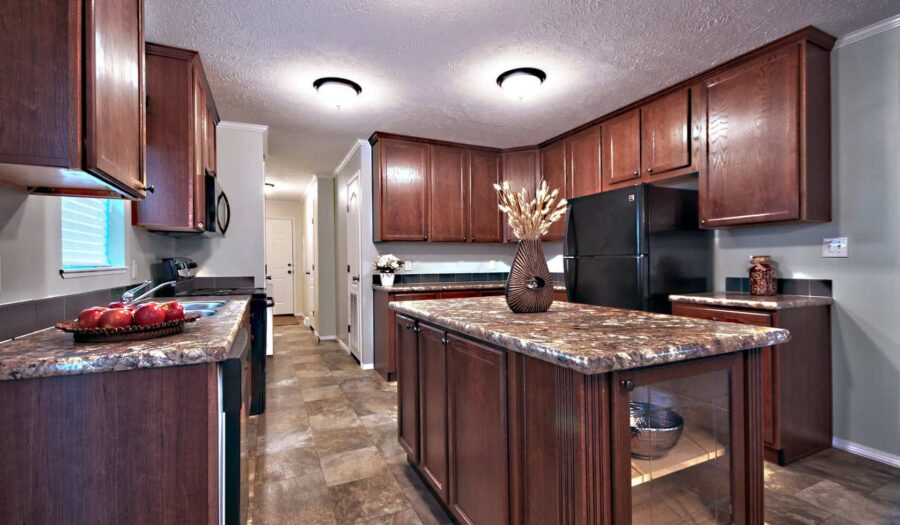
Kitchens are a focal point, with options like quartz, granite, or marble countertops, butcher block islands, stainless steel appliances, and soft-close cabinets in a wide range of styles and colors.
Bathrooms feature tile showers, soaking tubs, and upgraded fixtures. Flooring ranges from budget-friendly vinyl to luxury options. Trim, door hardware, and lighting choices let you personalize every detail to fit your style and budget.
Every house includes cabinets, doors, trim, windows, carpet or vinyl flooring, fixtures, and complete plumbing and electrical. Upgrades build on this base, giving you flexibility to customize your space.
Exterior design and curb appeal
Siding options include vinyl, fiber cement, board and batten, or custom combinations. Colors range from neutral to bold, with textures like smooth panels, shake accents, or stone wainscoting adding dimension.
Roofing features dimensional shingles in various colors, and architectural touches — dormers, gables, or covered porches — further personalize your home’s exterior.
Garages and porches aren’t included in base pricing but add significant value and functionality. Custom quotes are available for any additional structures you want to include.
Energy-efficient building features
Factory work ensures tighter building envelopes and properly installed insulation. Windows fit precisely, seams are sealed, and modern HVAC systems are sized for your square footage.
Illinois winters demand effective insulation, and our houses meet or exceed local energy standards. Energy-efficient windows, proper ventilation, and quality insulation work together to maintain comfort and help lower utility bills year-round.
The building process: From plan to move-in
Knowing what happens at each stage can significantly reduce stress. We walk every customer through the timeline so there are no surprises.
Step 1: Initial consultation and design selection
Meet with one of our consultants to discuss your vision, budget, and timeline. You’ll review floor plans and explore customization options.
This conversation sets realistic expectations for your project. We’ll explain the differences between Home-Only and Turn-Key service, outline financing needs, and map out the next steps. No pressure or sales pitch, just clear guidance on what it takes to build your house.
Step 2: Permits, site preparation, and foundation work
For Turn-Key customers, we handle this phase from start to finish. We obtain permits, hire surveyors, coordinate excavation, and oversee foundation work.
Foundation choices include full basement, crawl space, or slab, each with different cost and functional considerations. We’ll help you decide based on your lot, budget, and storage needs.
Well or septic installation is included for rural lots, while municipal connections are coordinated with local providers. Utility companies schedule service hookups during this phase to ensure a smooth transition.
Home-Only vs. Turn-Key service options
Home-Only works if you have building experience or want to save money by managing subcontractors yourself. We deliver and set the house on your foundation. You handle site work, finish carpentry, and utility connections.
Turn-Key means we coordinate everything, including permits, foundation, site prep, delivery, setting, and finishing. This option works best for buyers who want a straightforward process without juggling contractors.
Step 3: Factory construction and quality inspections
While your site is prepped, your house is being built. Current lead times run 8 weeks to 3 months depending on manufacturer schedules and custom complexity.
Quality checks happen throughout the process. Framing gets inspected, electrical and plumbing pass third-party reviews, and insulation, drywall, and finishes all meet code before the structure leaves the factory.
Step 4: Delivery, setting, and final finishing
Transport day is fast. Trucks arrive early, a crane lifts sections onto your foundation, and crews secure everything. By afternoon, your house is set.
Finish work includes sealing marriage lines (where modules connect), completing exterior siding, hooking up utilities, and final trim details. Inspectors verify everything meets local codes.
At this point, Turn-Key projects are completed in full. Home-Only customers take over from here, however, handling remaining site work and interior finishing based on what was agreed upfront.
Cost savings and value in Naperville’s housing market
Transparency matters when you’re making a major financial decision. Here’s how pricing breaks down and where savings come from.
Breaking down modular home pricing
Home-Only pricing covers the factory-built structure, delivery, and setting on your foundation. It doesn’t include site work, foundation, utilities, or finishing.
Turn-Key pricing bundles everything from permits, site prep, and foundation to delivery, setting, and completion. You get a comprehensive estimate upfront covering the entire project.
Standard interior finishes include cabinets, doors, trim, windows, flooring, and fixtures. Optional upgrades and site-installed features, such as garages, porches, and decks, increase the total cost but are not included in the base Home-Only package.
Foundation work, septic systems, and utility connections are separate line items. Costs vary depending on your site conditions and local regulations.
Transparent cost-per-square-foot considerations
Cost per square foot depends on the choices you make. A basement costs more than a crawl space, and a three-car garage adds more than a two-car. Luxury flooring and high-end appliances also contribute to the total.
We don’t hide these factors. During consultation, we’ll break down how each decision affects your bottom line. You’ll know exactly what drives costs up or down before committing to anything.
Comparing costs to traditional home building
New builds in Naperville typically range in the mid-to-high hundreds per square foot, depending on finishes, lot conditions, and local labor. Modular construction generally costs less because factory efficiency reduces waste and labor expenses.
These savings can be significant, letting you allocate more toward land, upgrades, or simply keep costs lower overall. Resale value aligns with site-built properties, as appraisers focus on location, condition, and features rather than building method.
Quality and customization: What sets modular apart
Quality isn’t negotiable. Every house we deliver meets or exceeds Illinois building codes, backed by warranties and professional accountability.
Built to code and beyond
Factory-built houses follow the same International Residential Code as site-built structures. Local inspectors review foundation work, setting, and finish details just like any traditional build.
Factory work adds extra structural strength because modules must withstand transportation. That means:
- Stronger framing
- Better fastening
- More rigid assembly overall.
Third-party inspections occur both at the factory and on-site, with multiple checkpoints to catch issues early. Structural components are backed by manufacturer warranties, and Next Modular provides additional guarantees on our work, ensuring peace of mind for every house.
Customization flexibility for every budget
Entry-level custom options let first-time buyers personalize without overspending. Mid-range upgrades add features growing families want. Luxury finishes create dream houses with high-end materials throughout.
In comparison, mobile houses offer fewer customization options (mostly décor and color selections) but deliver affordability for buyers prioritizing cost savings.
Working with multiple manufacturers
We’re not locked into one manufacturer. That gives you access to different design styles, price points, and customization levels.
Some accept custom sketches for unique layouts, while others excel at specific architectural styles. We’ll match you with the manufacturer whose strengths align with your vision.
Minor modifications, such as moving walls or adjusting window placements, can be made easily. Major redesigns take more time, but remain possible when you want something truly custom.
Financing your modular home
Banks treat these houses like any permanent residence. Financing follows familiar paths, whether you’re a first-time buyer or an experienced homeowner.
Construction loan options
Loans fund your project in stages — foundation, delivery, and finishing — with the bank releasing money as work progresses. Once complete, the loan converts to a traditional mortgage.
Local Illinois banks are familiar with this building approach and offer competitive rates. You’ll provide standard documentation, including financial statements, pay stubs, bank statements, tax returns, and a credit report.
We work with financing partners experienced in these projects. They can pre-qualify you before finalizing design decisions, giving you a clear budget from the start.
Government-backed loan programs
FHA loans require just 3.5% down and work well for first-time buyers. VA loans offer zero down payment for qualifying veterans. USDA loans cover eligible rural areas with zero down as well.
Each program has specific requirements, but all treat these houses the same as traditional builds. Your loan officer will walk you through the qualification criteria and help determine which program fits your situation.
Simplified financing for manufactured modular construction
Banks favor lending on primary residences because homeowners stay motivated to make payments. That works in your favor — approval rates for owner-occupied houses match or exceed traditional loans.
Faster building timelines mean shorter loan periods, which can reduce interest costs. Some buyers appreciate knowing their house will be finished in months, not years.
Getting started with your custom home project
Ready to explore what this building method can offer? Here’s how to take the first step toward your next house.
Service area coverage from Next Modular
We deliver throughout Illinois, including Naperville and surrounding communities. Turn-Key service is available within our service radius, with Home-Only options extending further.
Local project managers coordinate Turn-Key builds, handling permits, scheduling, and contractor oversight. You’re never dealing with an out-of-state team trying to manage Illinois regulations remotely.
Take the next step toward your dream home
Contact Next Modular for a free, no-obligation consultation. We’ll explore your vision, review available floor plans, and explain how the process works.
No commitment required. Just a straightforward conversation about what you want and how we can help make it happen.
Schedule a meeting to discuss custom options, receive detailed pricing for your project, and begin planning your timeline toward move-in-ready living.
Frequently Asked Questions:
1) How long does it take to build a modular home in Illinois?
Factory work takes 4 to 6 weeks while site prep happens simultaneously. After your house is delivered and set, finish work requires roughly 90 days for standard builds. The total timeline from contract to move-in typically runs 4 to 6 months.
2) Are modular homes cheaper than traditional construction in Naperville?
Yes. Factory-built houses typically cost less than site-built options because efficiency reduces waste and labor costs. Savings vary depending on size, finishes, and site conditions, but many buyers spend noticeably less than they would on traditional builds.
3) Can I customize the floor plan for my modular home?
Absolutely. You can start with any base plan and adjust room sizes, layouts, and features. Our team works with multiple manufacturers—some can even build from a fully custom sketch—so your house can reflect your style and preferences throughout, from interior finishes to exterior materials.
4) What’s included in Home-Only vs. Turn-Key service?
Home-Only includes the factory-built structure, delivery, and setting on your foundation. You arrange site work and finishing. Turn-Key covers everything, including permits, site prep, foundation, delivery, setting, and completion. Make your decision based on your experience level and how involved you want to be.
5) Do modular homes meet the same building codes as site-built homes?
Yes. These houses follow the International Residential Code and local Illinois requirements. Inspections happen at the factory and on-site. Many structures exceed code standards because they’re built to withstand transportation.
6) How do I finance a modular home in Naperville?
Use a standard loan that converts to a mortgage after completion. FHA, VA, and USDA loans all work for these projects. Banks treat them the same as site-built properties. We work with local lenders familiar with this building approach.
7) What’s the difference between modular and manufactured homes?
Factory-built houses meeting local codes are permanently affixed to land. Manufactured structures follow HUD code and sit on a steel chassis. Both are factory-built, but the former meets the same standards as traditional buildings.
8) Can I see my home while it’s being built at the factory?
Many manufacturers allow factory tours during the process, where you can see your house taking shape and ask questions. We’ll coordinate visits if you’d like to check on progress before delivery.
9) What happens if there’s damage during delivery?
Transport is carefully managed to prevent damage. Modules are wrapped and secured for protection.
Any issues discovered during setting are documented and addressed immediately. Manufacturer warranties cover defects, and insurance handles transport incidents.
10) How much can I save by choosing the Home-Only option?
Savings vary based on your site conditions and the amount of work you handle yourself. Managing subcontractors for foundation, site preparation, and finishing can significantly reduce costs, but requires building experience or strong project management skills. We’ll break down potential savings during your consultation.
Conclusion
Factory-built houses offer Naperville residents a practical alternative to traditional building — faster timelines, significant cost savings, and full customization without the typical headaches. Next Modular brings decades of experience to every project, guiding you from design through move-in with transparency and hands-on support.
Whether you need Turn-Key service or prefer managing parts of the build yourself, we’re here to make the process straightforward and stress-free. Reach out today to explore floor plans, discuss your vision, and get started on your custom home.