Modern Mobile Homes: Safety Standards, Energy Efficiency & Custom Features
If you still picture mobile homes as dated trailers, it’s time to update that image. Today, these homes are factory-built to modern safety codes, deliver measurable energy savings, and offer customization that rivals traditional construction.
For families across Indiana, Michigan, Ohio, and Illinois, Next Modular’s mobile homes provide a faster, more affordable path to homeownership.
- Locust Forest Ranch Modular Home
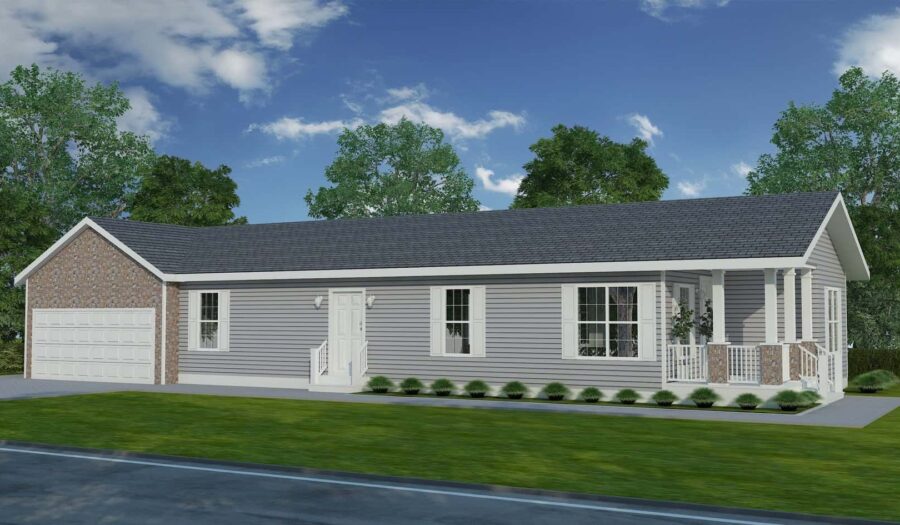 Est. Delivery Aug 26, 2026 **for standard home plans ordered today
 1,493 SF3 Beds2 BathsView Details
 - Dakota II Ranch Modular Home
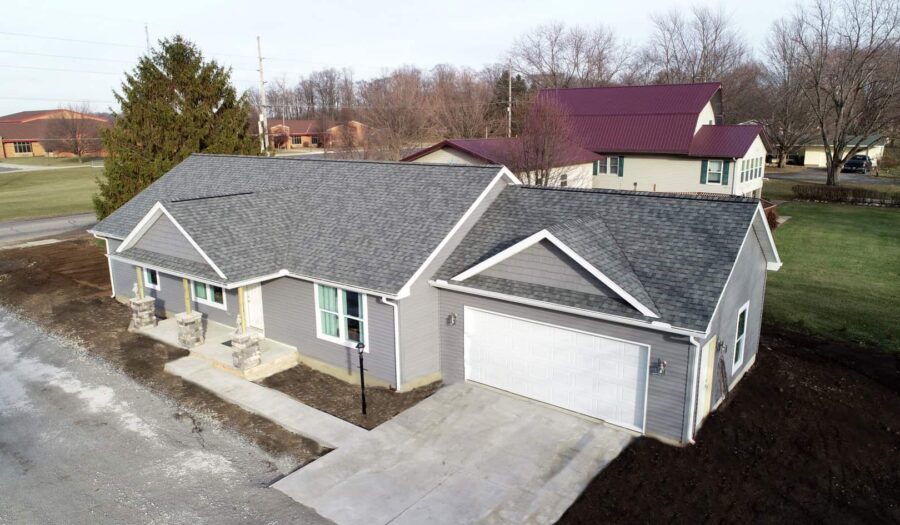 Est. Delivery Sep 20, 2026 **for standard home plans ordered today1,456 SF3 Beds2 BathsView Details
 - Huron Forest Ranch Modular Home
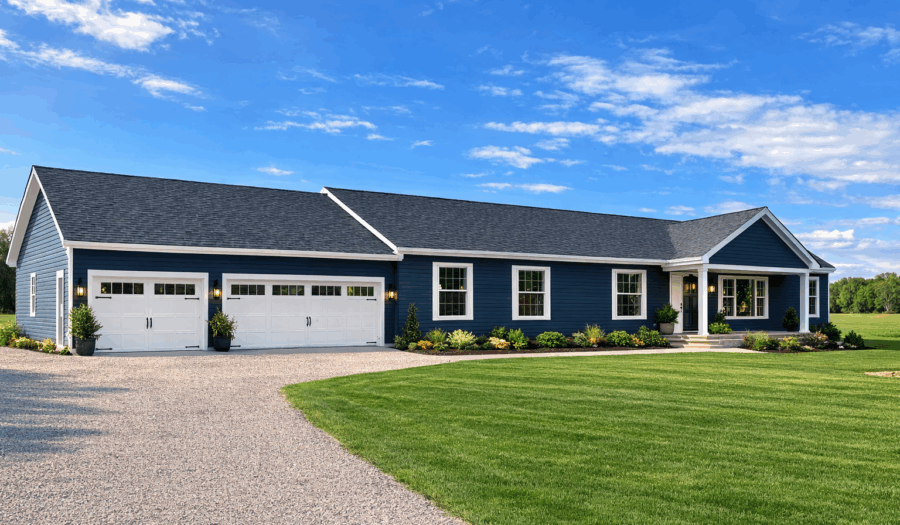 Est. Delivery Aug 26, 2026 **for standard home plans ordered today2,330 SF4 Beds3 BathsView Details
 - Winchester Ranch Modular Home
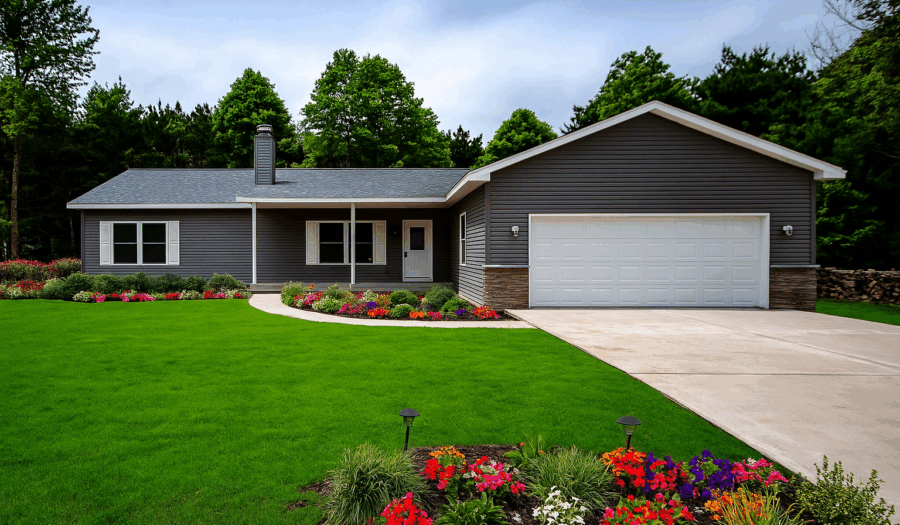 Est. Delivery Sep 20, 2026 **for standard home plans ordered today1,736 SF3 Beds2 BathsView Details
 - Bridgeport Ranch Modular Home
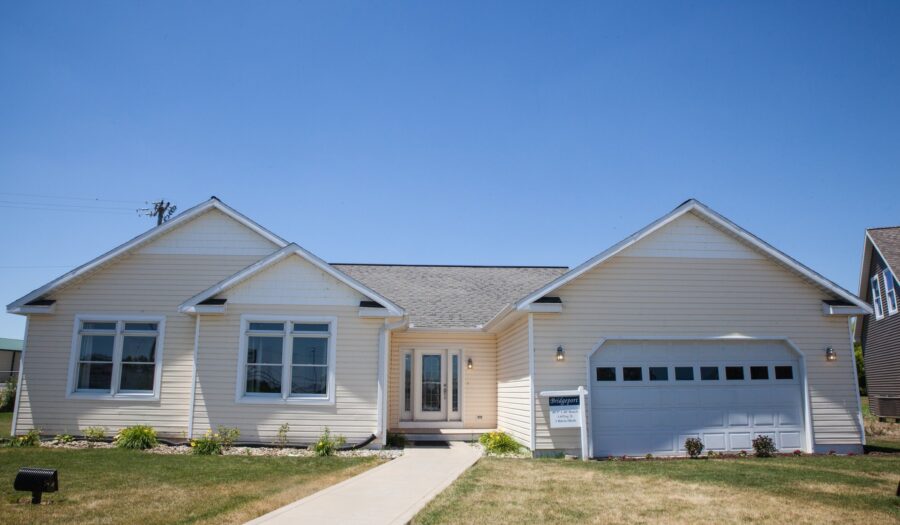 Est. Delivery Sep 20, 2026 **for standard home plans ordered today1,652 SF3 Beds2 BathsView Details
 - Rockport II Ranch Modular Home
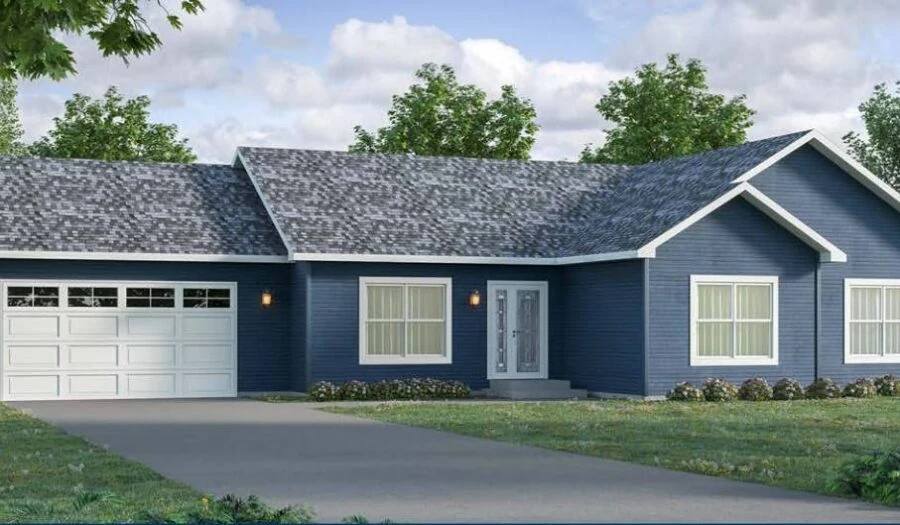 Est. Delivery Sep 20, 2026 **for standard home plans ordered today1,652 SF3 Beds2 BathsView Details

Mobile homes vs. modular homes: Understanding your options
Understanding the differences between mobile and modular construction helps you make the right choice for your needs and budget. While both offer factory-built efficiency, they meet different standards and serve different priorities.
Mobile homes are built to HUD federal standards and include a permanent steel chassis, typically making them more affordable upfront. Modular homes are constructed to state and local building codes — the same standards as traditional site-built houses — and don’t include a chassis. These distinctions affect foundation requirements, financing options, and long-term resale value.
Next Modular offers two main service options:
- Home-Only: Delivery and setup of the completed home on your prepared foundation
- Turn-Key Service: Full coordination from permits to finishing, available in many areas across Indiana, Michigan, Illinois, and Ohio (see our turnkey map HERE)
How modern mobile homes have improved since the 1990s
Mobile home construction has advanced significantly over the past 25 years. Modern factory-built homes are assembled indoors with precision tooling and consistent quality control. Updated HUD Code requirements now call for better insulation, fire-resistant materials, stronger structural engineering, and stricter electrical standards.
Today’s mobile homes include dual-pane windows, durable vinyl siding, and long-lasting asphalt shingle roofing. ENERGY STAR appliances are standard or available as upgrades. These improvements create homes that perform like traditional construction while offering lower costs and faster move-in times.
Are mobile homes safe in Midwest weather conditions?
Modern mobile homes are built to meet HUD Code standards that account for regional weather, including wind and snow loads in the Midwest. Proper installation — foundation work, anchoring, and site preparation — ensures homes withstand storms and heavy snow. Next Modular’s Turn-Key service handles these critical steps to ensure proper installation.
Weather and structural safety features include:
- Wind load ratings engineered for regional storm conditions
- Snow load capacity designed for heavy Midwest accumulation
- Anchoring systems that secure homes against high winds
- Moisture control and ventilation for humid summers
- Reinforced structural framing for temperature extremes
All homes also meet fire safety requirements, including fire-resistant materials, smoke detectors in every bedroom and common area, properly sized egress windows, and electrical systems meeting National Electrical Code standards. Third-party inspections during factory construction verify safety and quality before delivery.
How energy-efficient are today’s mobile homes?
Modern mobile homes often outperform older site-built homes in energy efficiency. Factory-built construction ensures insulation is installed to minimize gaps or compression. Walls typically feature R-15 to R-19 insulation, and ceilings R-30 to R-49, depending on climate and buyer preferences. ENERGY STAR appliances and dual-pane windows help reduce heating and cooling costs, with homeowners reporting 20 to 30% lower utility bills compared to older homes.
Efficiency can be further improved with optional upgrades such as added insulation for extreme climates, smart thermostats, solar-ready panels, and high-efficiency HVAC systems. Next Modular’s Turn-Key service ensures proper sealing and weatherization so these features perform as intended in everyday use.
What foundation does a mobile home need?
Foundation requirements vary based on local codes and installation type. Mobile homes can sometimes be installed on a slab, but most often we use a crawl space or basement foundation, although basements are not common under a mobile home. If you’re considering a modular home, you also have the option of either a crawlspace or a basement foundation.
Your foundation choice impacts structural stability, energy efficiency, resale value, and financing options. Basement foundations add usable living space and better insulation from ground temperatures. Crawl space foundations cost less upfront but require proper vapor barriers and insulation underneath.
Next Modular’s Turn-Key service coordinates all foundation work as part of complete project management.
What features can you customize in a mobile home?
Modern mobile homes offer extensive customization during factory construction, eliminating the need to coordinate multiple contractors.
Kitchen and bathroom upgrades can include stone or quartz countertops, contemporary cabinetry, stainless steel appliances, walk-in showers, and double vanities. Flooring options range from hardwood and luxury vinyl to carpet.
Architectural features like dormers, bay windows, and cathedral ceilings are available. Exterior additions like porches, decks, and garages can be included during construction or added later.
Technology upgrades can also be integrated during the build:
- Smart home pre-wiring for thermostats, security systems, and lighting controls
- Upgraded electrical panels with higher amperage capacity
- USB charging outlets in kitchens, bedrooms, and common areas
- Pre-wiring for cable, internet, and phone throughout the home
Completed homes are typically move-in ready within 90 days after delivery and setup — significantly faster than traditional construction timelines.
Frequently asked questions:
1) What’s the financing process for mobile homes?
Mobile homes may use chattel loans or manufactured home loans, though those on permanent foundations can sometimes qualify for conventional mortgages. Financing requirements differ from traditional homes, so Next Modular works with local lenders experienced in mobile home financing to help buyers navigate the process.
2) What does the process look like before the home order?
Every project begins with planning, and our Feasibility Study is the first critical step to confirming that your project is viable before significant time or money is committed.
During this preliminary phase, we evaluate zoning and permitting constraints, site conditions, budget alignment, and overall project scope, while also obtaining preliminary quotes for major site-work items such as foundations, mechanical systems, and garages or porches. This allows us to identify risks, unknowns, and primary cost drivers early, pressure-test assumptions, and establish realistic expectations.
The result is a clearer path forward, fewer surprises during construction, and the confidence that the project you proceed with is buildable, financeable, and aligned with your goals.
This process timeframe depends on the complexity of your project, but can usually be completed within about 6 weeks. After feasibility is complete, we’ll be ready to sign a contract that you can give to your lender. The lender will need this contract so they can order an appraisal and get your loan ready to close.
3) How long does it take to get a mobile home from order to move-in?
Once your loan is closed and the initial draw has been received by Next Modular, we will order your home at the factory. Factory construction usually takes six weeks to two months, at which point we’ll schedule the delivery and setting of your home.
Once the home is set, Turn-Key customers typically move in within 90 days, with all site work and utilities completed during this time frame. Home-Only buyers’ timelines vary depending on contractor schedules, permit processing, and site readiness.
4) Can I visit model homes before making a decision?
Yes. Next Modular has several beautiful model homes at our main location in Goshen, Indiana, and additional locations in Nappanee and Bryan, Ohio. Tours give buyers a chance to see layouts, finishes, and construction quality in person, helping them make informed decisions.
5) What’s the difference between Home-Only and Turn-Key service?
Home-Only delivers and sets the home, leaving site work to the buyer or their contractors. With Turn-Key service, we handle everything: permits, foundation, utilities, finishing, and final inspections.
6) Do I need special permits for a mobile home?
No. Mobile homes must meet HUD Code standards and require building permits from your local jurisdiction, just like a modular or site built home. Turn-Key service includes obtaining all necessary permits, while Home-Only buyers must secure their own permits before the order is placed.
7) Are mobile homes high maintenance?
Modern mobile homes are designed to be low-maintenance, much like traditional houses. New builds feature updated roofing, siding, HVAC, and plumbing, all backed by manufacturer warranties. Routine upkeep is simple — changing filters, checking skirting, and occasional roof inspections — thanks to durable materials that minimize ongoing maintenance needs.
8) Do mobile homes appreciate or depreciate in value?
A mobile home’s long-term value depends on both its foundation and land ownership. Homes on permanent foundations with owned land often hold or increase in value, while those in rental communities generally lose value. Correct installation and regular maintenance help protect that investment.
9) Is mobile home insurance expensive?
Insurance for mobile homes is comparable to traditional homeowners coverage. Homes on permanent foundations qualify for standard policies at competitive rates. Those without permanent foundations require manufactured home insurance, which may cost slightly more but remains manageable.
10) What warranties come with a new mobile home?
New mobile homes include structural warranties, typically for 1 year. Individual systems — HVAC, water heaters, and appliances — come with their own manufacturer warranties ranging from 1 to 10 years. Next Modular can provide detailed coverage information for each home.
See a Next Modular home in person
Visiting a model home is the best way to understand how our mobile homes work. At Next Modular, we invite you to explore our Goshen location, with additional model homes in Nappanee, Indiana, and Bryan, Ohio. Our team will guide you through floor plans, finish options, and customization choices, helping you see how each home can fit your lifestyle and budget.
We make it simple to get the information you need. Call us at (574) 334-9590 or visit nextmodular.com to schedule your tour. Next Modular serves families across Indiana, Michigan, Ohio, and Illinois on a turnkey basis, as well as most other states in the Midwest on a home-only basis, providing hands-on guidance every step of the way.