
Mobile Home Models, Layouts, and Feature Breakdowns: How to Compare Floor Plans with Confidence
Shopping for a factory-built home gets easier when you follow one repeatable order: define the home type, read the listing correctly, compare layout patterns, then judge features as a separate layer. That process turns a long list of models into a short set you can tour and price with confidence.
- Danbury Ranch Modular Home
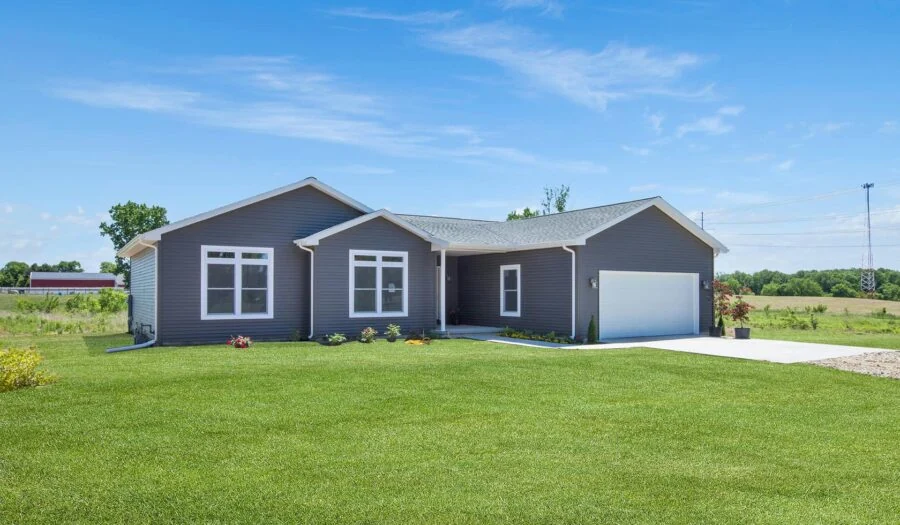 Est. Delivery Aug 6, 2026 **for standard home plans ordered today
 1,652 SF3 Beds3 BathsView Details
 - Brentwood II Ranch Modular Home
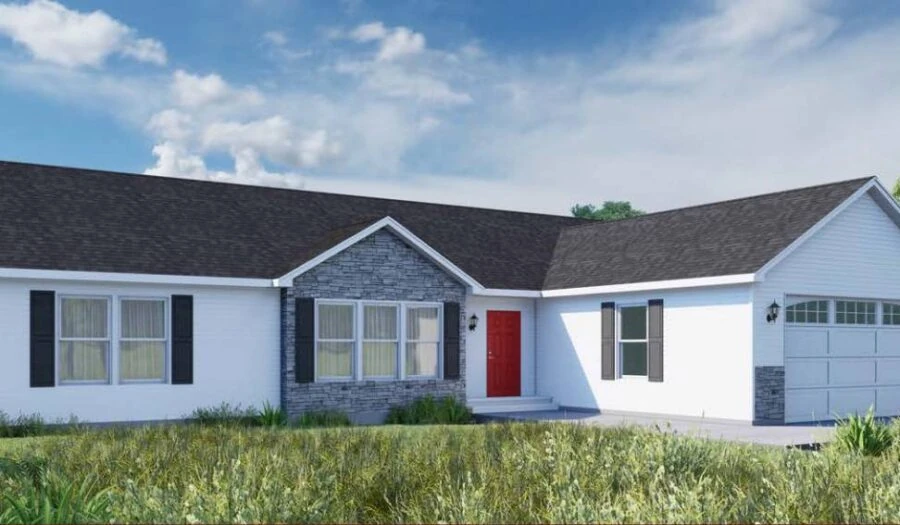 Est. Delivery Aug 6, 2026 **for standard home plans ordered today1,736 SF3 Beds2 BathsView Details
 - Barton Forest Ranch Modular Home
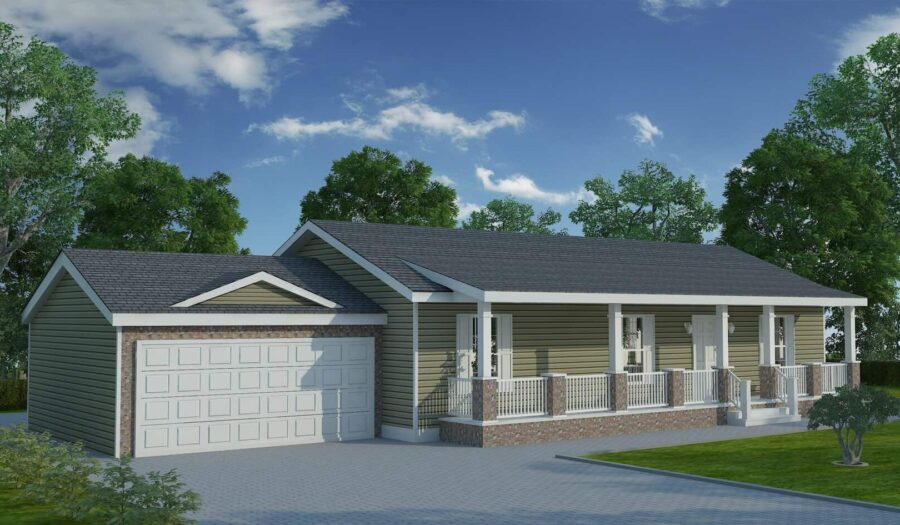 Est. Delivery Jul 12, 2026 **for standard home plans ordered today1,280 SF3 Beds2 BathsView Details
 - Anderson II Ranch Modular Home
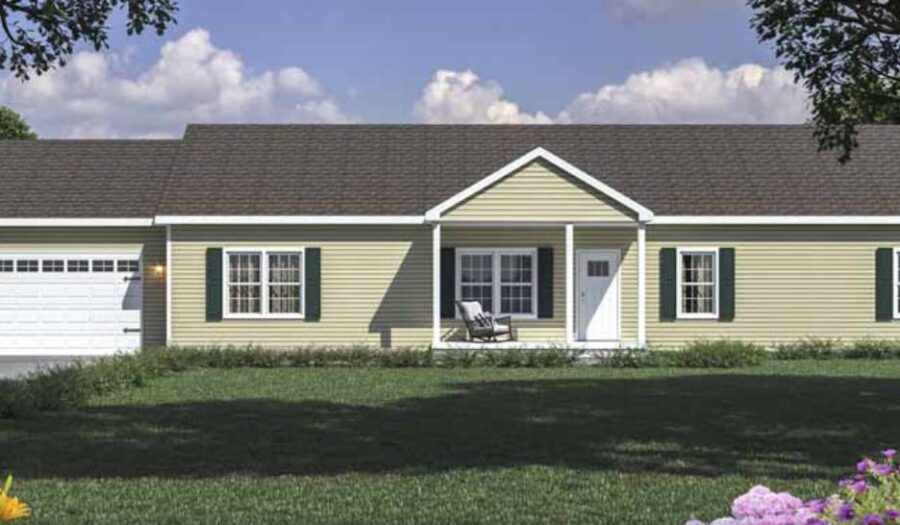 Est. Delivery Aug 6, 2026 **for standard home plans ordered today1,792 SF4 Beds2 BathsView Details
 - Amarillo Ranch Modular Home
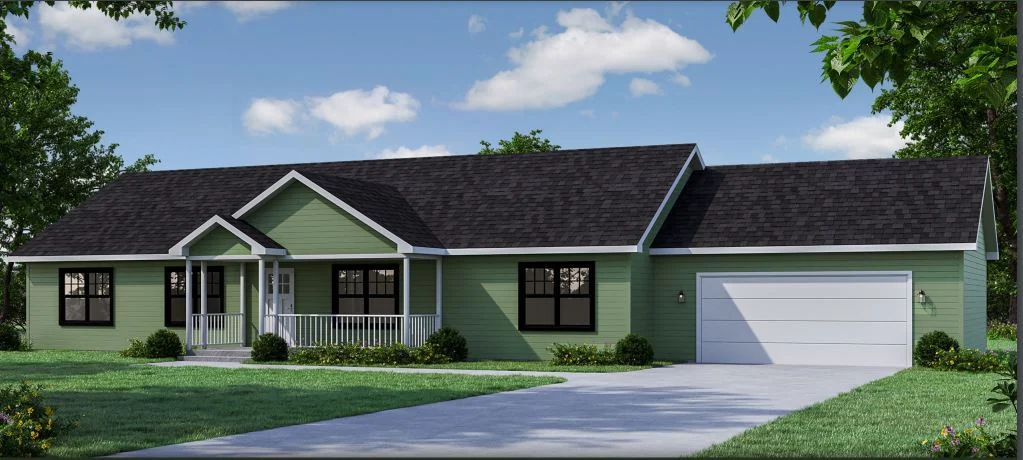 Est. Delivery Aug 6, 2026 **for standard home plans ordered today1,860 SF3 Beds2 BathsView Details
 - Cedar Forest Ranch Modular Home
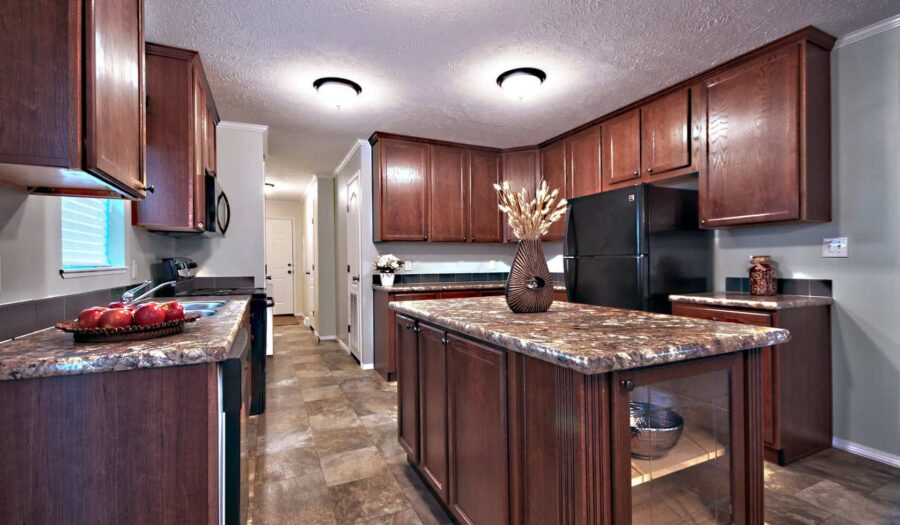 Est. Delivery Jul 12, 2026 **for standard home plans ordered today1,493 SF3 Beds2 BathsView Details


Understand the Main Home Types Before Comparing Layouts
Manufactured and modular homes are both built in controlled factory settings, but they’re not the same thing. Many shoppers use “mobile home” as a catchall term, yet modern manufactured homes range from compact single-section designs to larger multi-bedroom options. Modular homes are another category that’s also shopped by model and floor plan, often with a strong focus on customization and local retailer availability.
Read a Model Listing Like a Pro
A listing’s headline numbers matter most when you know what they really tell you.
Square Footage and Dimensions
Square footage is the total area, while dimensions reveal shape. A long, narrow footprint can feel more segmented; extra width usually creates a more open shared core. Treat measurements as a planning guide, then confirm details during a tour or quote process.
Beds, Baths, and Daily Flow
Beds and baths describe capacity, but placement predicts comfort.
Check:
- Whether guests can reach a bathroom without walking through private areas
- Whether laundry is located where it’s convenient, not where it disrupts the main living spaces
Choose the Right Footprint First
Comparing layouts works best when you group homes by footprint.
Single-Section Layouts
Single-section plans rely on smart hallway design and storage placement. Strong versions minimize wasted corridor space and keep everyday rooms easy to reach.
Double-Wide and Sectional Layouts
Wider plans can create clear zones: a larger open living core and more separated sleeping areas. If you want a “house-like” feel, this footprint often delivers it through broader rooms and better privacy.
Large Multi-Section Options
Bigger homes can add extra baths, larger kitchens, and bonus rooms, but only feel like an upgrade if circulation stays efficient. Watch for needless distance between the pantry, laundry, and bedrooms.
Compare Layout Patterns Side by Side
Once the footprint is consistent, compare the plan’s “architecture.”
Open-Concept Core
In open layouts, focus on how the kitchen connects to dining and living areas. Good plans protect walking paths so traffic doesn’t cut through the cooking zone, and they leave enough wall space for furniture.
Split-Bedroom Privacy
Split-bedroom plans place the primary suite away from secondary bedrooms. This layout often feels calmer for mixed schedules or hosting, because sleeping zones don’t overlap with the noisiest parts of the home.
Flex Rooms That Earn Their Keep
A den, office, or fourth bedroom is only “flexible” if it serves a real purpose.
Ask:
- Where would a desk or couch actually go?
- Is there decent natural light?
- Will noise from the main living space make it hard to use?
Break Down Features Separately From the Floor Plan
Two homes can share a layout but feel different because of feature choices.
Kitchen Function
Islands are great, but clearance matters more than appearance. Look for pantry space, landing zones near the fridge and sink, and enough room for two people to move during busy mornings.
Light, Ceilings, and Comfort
Ceiling height and window placement change how spacious a plan feels. Prioritize brightness and sightlines in the rooms where you’ll spend the most time.
Primary Suite and Bath Practicality
Evaluate the primary suite as a system:
- Bedroom shape
- Closet usability
- Bathroom flow
Door swings, sink spacing, and storage can matter as much as square footage.
Use Tools to Shortlist Faster
Start with filters that eliminate poor fits: beds, baths, and a square-footage range. Then use a 3D tour to test the flow by “walking” through a typical day from entry to kitchen to bedrooms. When requesting pricing, keep the model and option levels consistent, so quotes compare cleanly.
Before calling anyone, write down your non-negotiables:
- Bedroom count
- Primary suite location
- Kitchen priorities
- Rough size range
Bring that list to every tour. It keeps the conversation focused and helps you spot “nice” features that don’t fit your daily routine.
Frequently asked questions:
1) What’s the difference between a manufactured home and a modular home?
Manufactured homes are commonly shopped through model catalogs with set sizes and floor plans. Modular homes are also built in sections, but may be offered with different classifications and broader customization through a retailer network. The best choice depends on your site, budget, and how much customization you want.
2) How do I compare floor plans when dimensions are approximate?
Use dimensions to understand shape and room relationships, then verify during touring. If you’re choosing between two similar models, compare widths first, because width often drives how open the home feels.
3) What layout works best for privacy?
Split-bedroom plans usually create the most separation between the primary suite and other bedrooms. This pattern can reduce noise and help different schedules coexist.
4) What should I look for in a kitchen layout besides an island?
Focus on workflow: fridge-to-sink-to-cooktop spacing, pantry placement, and clear walking paths that don’t cut through the prep zone. Also, check the counter landing space near appliances.
5) Are 3d tours reliable for judging space?
They’re strong for flow and pinch points, but they can distort scale. Use them to understand movement and connections, then confirm feel and measurements in person.
6) What should I keep consistent when requesting quotes?
Ask for the same model, the same option tier, and the same assumptions about what’s included. If quotes include different upgrades, the comparison won’t be meaningful.
7) Can I customize a model, or am I stuck with a fixed floor plan?
Many models offer option packages and layout variations, but the amount of customization varies by builder and retailer. The safest approach is to treat the advertised plan as the “base,” then ask what can change (room swaps, kitchen layout tweaks, window/door moves) and what can’t (major structural shifts). Get customization details in writing before comparing quotes.
8) How do I decide between a single-section and a double-wide?
Start with how you want the main living area to feel. Single-section homes can be efficient and straightforward, but they often rely on longer runs and tighter transitions. Double-wide layouts usually provide more expansive shared spaces, more flexible furniture placement, and more precise separation between the living and sleeping zones. If open-concept comfort is a priority, double-wide often wins.
9) What features make a home feel more “site-built” inside?
Look for details that affect daily experience: higher or vaulted ceilings, better natural light distribution, thoughtful trim and finish continuity, and a kitchen layout that feels intentional (pantry space, usable islands, good work zones). Also, pay attention to storage planning—closets, linen space, and utility placement are what keep a home feeling calm in the long term.
10) What should I confirm before I commit to a home?
Confirm what’s included versus optional, the expected timeline, and who handles key steps like delivery coordination, setup, and any site requirements. Ask about warranty coverage, service process, and what happens if there are delays or changes. A clear scope up front prevents surprises later.
Next Steps
After you narrow options by footprint, layout pattern, and must-have features, the final step is confirming availability and pricing. For help comparing models and choosing a layout that fits your lifestyle, contact Next Modular at 574-334-9590 to discuss floor plans, options, and next steps.