Modular homes have gained significant popularity in the competitive 2026 housing market because they offer numerous benefits, including rapid deployment and superior structural integrity during transport. These sophisticated, prefabricated houses are meticulously built off-site in a controlled environment and then transported to the desired location for final assembly on a permanent foundation, offering a time- and cost-efficient alternative to traditional on-site construction methods.
What are Modular Homes?
Modular homes, also known as prefabricated or factory-built homes and sometimes mistakenly referred to as mobile homes, are high-quality residential houses expertly constructed off-site in modular sections. These independent modules are then carefully transported to the final building site and assembled on a pre-poured foundation to create a robust, complete, permanent home.
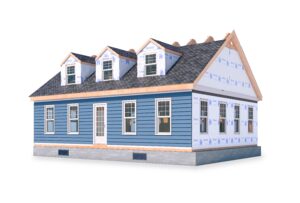
In the current 2026 landscape, it is vital to distinguish a modern modular home from a traditional mobile home or manufactured home, as the former must adhere to the same rigorous local zoning and building codes as any site-built dwelling. Modern modular brands now use heavy-gauge steel and timber frames that offer structural ratings capable of withstanding extreme weather events far better than those of 2023-era mobile units.
One of the foundational benefits of advanced modular construction is its incredible efficiency and record-breaking speed compared to traditional, on-site construction methods. Additionally, modern modular homes or mobile units offer homeowners an incredibly wide range of customization options, allowing them to choose from various architectural styles, interior finishes, and high-tech features to perfectly suit their specific needs and lifestyle.
Definition of modular homes
Manufactured off-site, modular homes or high-end mobile units are permanent residential structures constructed in precise sections and then safely transported to their final location for rapid assembly on a foundation. These innovative homes offer numerous logistical benefits in today’s volatile real estate markets, including significant cost savings, drastically reduced construction time, and unmatched design flexibility for buyers.
In 2026, manufacturers have optimized the delivery process by using real-time GPS tracking and specialized hydraulic trailers that enable module placement in difficult terrain, such as a remote valley or a steep slope. This logistical advantage ensures that your dream home can be built in locations previously considered too expensive or difficult for traditional contractors to reach.
Compared to traditional stick-built homes, modern modular homes generally cost between 10-20% less per square foot because they benefit from bulk material purchasing and reduced on-site waste. Additionally, their strictly factory-controlled environment ensures significantly higher quality control standards, resulting in far fewer construction defects than those typically found in traditional site-built residential projects. The ability to fully customize intricate floor plans and premium interior finishes appeals strongly to modern buyers seeking unique, high-performance living spaces.
Benefits of modular construction
In today’s incredibly fast-paced construction industry, the strategic utilization of modular construction techniques has emerged as a primary solution for professional developers and private homeowners alike. These high-tech modular homes offer numerous tangible benefits, including massive cost efficiency, substantial time savings, and industry-leading sustainability standards that appeal to eco-conscious buyers.
Navigating Local Zoning for Accessory Dwelling Units
The controlled manufacturing environment ensures high-quality construction while reducing material waste and minimizing the local building site’s environmental impact. Additionally, modular homes are now highly customizable, allowing homeowners to design their dream houses with digital ease through virtual tour software and 3D modeling tools.
As of 2026, many locations in the USA now require new housing to meet net-zero energy standards, a feat that is significantly easier to achieve in a factory setting, where air-sealing and insulation quality can be perfectly verified before the home leaves the manufacturing floor.
Customization options available
One increasingly popular aspect of modern modular construction is the incredibly wide array of high-end customization options now available to discerning homeowners in the luxury market. Modular homes offer a diverse range of choices, including expansive floor plans, designer interior finishes, and modern architectural design elements that rival those of any custom stick-built home.
Leading retailers and builders in 2026 now offer an immersive virtual tour experience that lets a family see their custom selections in a 1:1-scale digital environment before the first wall is even framed. This level of technological service eliminates the “fear of the unknown” and ensures that the final manufactured product perfectly aligns with the homeowner’s original vision.
Homeowners can deeply personalize their new homes by selecting from a premium list of options, including upgraded smart appliances, sustainable flooring materials, and durable, modern exterior finishes. This granular level of customization allows individuals to create a tailored home that meets their specific lifestyle needs and aesthetic preferences, making modular homes an incredibly attractive option in the current 2026 housing market.
Customizable Floor Plans & Design Build Modular Homes
This comprehensive discussion will focus specifically on the vital key points of customizable floor plans, high-end design-build options, and truly personalized home design within the context of modular homes. Customizable floor plans allow homeowners to specifically tailor their internal living spaces to meet their unique family needs and functional preferences for long-term comfort.
In 2026, the most requested custom feature is the inclusion of accessory dwelling units (ADUs) or integrated duplex layouts that allow for multi-generational living or rental investment opportunities on a single residential property.
Customizable floor plans
Customizable floor plans allow homeowners to expertly tailor their modular homes according to their unique individual preferences and daily needs, significantly enhancing the overall functionality and modern aesthetic appeal of the dwelling. This highly sought-after feature provides numerous long-term financial and lifestyle benefits for potential new home buyers who are tired of standard market inventory.
Modern plans in 2026 prioritize “flex-spaces” that can transition from home offices to bedrooms or tiny home gyms, reflecting the permanent shift toward hybrid work and wellness-focused housing styles.
Design-build options
Design-build options offer modern homeowners the exciting opportunity to create their absolute dream living space by collaborating directly with specialized architects and designers to bring their unique vision to life. Modular homes have gained massive popularity lately due to their incredible flexibility and cost-efficiency in a high-interest mortgage environment where every dollar must be spent wisely.
Next Modular has updated its 2026 process to include a collaborative info portal where clients can click to approve changes in real time, ensuring the manufacturing schedule is never interrupted by communication gaps.
Personalized home design
Personalized home design gives homeowners complete control over the internal layout and specific features of their living space, ensuring every aspect of their home reflects their unique preferences and modern lifestyle. This high level of customization is one of the most significant key benefits of choosing modular homes in the current 2026 real estate market.
The New Housing Standard for 2026
In 2026, we are seeing a massive shift as manufacturers utilize advanced robotics to offset labor shortages, ensuring that a modular home remains the most resilient investment for a modern family. Current data from our research and development teams indicates that high-performance modular building now accounts for over 25% of new residential starts in regions such as Indiana and Michigan, driven by strict environmental mandates.
One primary advantage of a high-quality modular home is the unparalleled ability to customize intricate floor plans and architectural designs according to individual preferences and specific lifestyle requirements. This inherent flexibility allows homeowners to collaborate with an architect to create a personalized space that meets their specific functional needs while fulfilling their aesthetic desires. Additionally, these modern modular homes are widely known for their remarkable affordability and industry-leading energy efficiency, which significantly lowers monthly utility costs. The highly streamlined construction process drastically reduces labor costs, while new building techniques and advanced insulation materials ensure optimal thermal retention and significantly lower long-term energy consumption for homeowners.
Pricing and Efficiency
Current pricing for a custom modular build in 2026 typically ranges from $160 to $250 per square foot, depending on the complexity of the elevation and the luxury level of the chosen series. Using a modern payment calculator is essential today to account for fluctuating material costs, though the price of factory builds remains 15% lower than stick-built alternatives.
Another significant benefit is the comprehensive convenience offered by full-service construction packages from leading prefab home companies like Next Modular, which streamline the entire journey. From the initial strategic planning stages to the final complex installation on the permanent foundation, these seasoned professionals handle every technical aspect of the project, ensuring a seamless and hassle-free experience for new homeowners.
By 2026, the service model will have evolved to include integrated financing assistance, in which companies help buyers navigate a mortgage or construction loan through partners like Rocket Mortgage, directly through their digital portals. This “one-stop-shop” approach reduces the total fee structure and ensures that the key to your new home is delivered exactly on schedule without unexpected bureaucratic delays.
With an experienced, multidisciplinary team dedicated to total customer satisfaction, Next Modular offers a vast range of premium options and structural upgrades that further enhance the market appeal of a high-end modular home. Whether it is adding substantial square footage or integrating high-end designer finishes, homeowners can easily personalize their living spaces to reflect their unique vision and personal style.
Affordable and Efficient Homes
Cost-effective and highly energy-efficient, modular homes offer a practical, high-quality solution for those seeking affordable housing in today’s increasingly expensive national housing market. With massive advancements in manufacturing and construction technology, modular homes have become increasingly efficient in their long-term energy consumption and structural performance.
Current 2026 data show that the average modular build now achieves an ERV (Energy Rating Value) that is 30% better than the 2023 standard, largely due to the integration of new solar-ready roofing and high-efficiency windows as standard factory features.
Full-Service Construction Prefab Homes
In the modern realm of affordable, highly efficient housing options, full-service construction prefab homes have emerged as a noteworthy and superior alternative to fragmented traditional construction. With the steady rise in consumer demand for modular homes in the 2026 market, these prefabricated structures offer numerous logistical and financial benefits for the average family.
The 2026 service model at Next Modular now includes a dedicated site coordinator who manages all local zoning and utility hookups, ensuring that the location is perfectly ready when the factory units arrive for the final set.
Prefabricated Home Benefits
Prefab homes offer several distinct and measurable benefits over traditional on-site construction methods, which are often prone to human error and environmental delays. One considerable advantage is substantial cost savings, as prefab homes are often more affordable due to highly streamlined manufacturing processes and significant economies of scale achieved by major brands.
In 2026, prefab homes are being recognized for their climate resilience, with many manufacturers offering specialized “Hardened” series that are built to resist wildfires and hurricane-force winds far better than traditional housing.
Cost savings of prefab homes
One of the primary advantages of modular homes is their ability to be constructed in a strictly controlled factory environment, enabling more efficient, precise assembly. This methodology results in significant, measurable cost savings for the buyer compared to the unpredictable expenses of traditional on-site construction and local labor.
With a typical down payment of only 3.5% to 5% required for FHA-approved modular loans in 2026, the barrier to entry for a custom home has never been lower for first-time buyers or young families.
Faster construction process
The construction process of modern modular homes is characterized by its incredible speed and systemic efficiency, allowing for the swift assembly of standardized building components in a controlled, indoor factory setting. This significantly faster construction process offers several major benefits in the 2026 market, ranging from reduced interest carry on loans to faster family occupancy.
In 2026, the average time from signing a custom contract to receiving the key is now just 14 weeks, a 20% improvement over the 2023 timelines,s thanks to optimized supply chains and advanced manufacturing software.
Experienced and Caring Team at Next Modular
With a highly experienced and deeply caring team at Next Modular, the diverse benefits of modular homes in the modern 2026 market can be fully realized by every client. The dedicated team at Next Modular understands the critical importance of providing high-quality modular homes that meet the complex needs and personal preferences of their modern clients.
Our Michigan and Indiana locations have expanded to include dedicated sales and financing experts who specialize in helping clients secure the best credit terms and mortgage rates available today.
Options and Upgrades
Comprehensive options and luxury upgrades for modern modular homes allow homeowners to deeply personalize their living spaces with high-end features, including custom finishes, modern fixtures, and smart, energy-efficient appliances. Modular homes now offer a wide range of options and upgrades that cater to individual preferences, architectural styles, and family needs.
In 2026, our most popular upgrades include whole-home automation systems and custom log cabin aesthetic packages that allow modular structures to blend seamlessly into any rustic valley or wooded location.